
 Tiếng Việt
 日本語
 简体中文
 繁體中文
Gas Stove Mistakes That Could Blow Up Your Home
In Vietnam, many households pay little attention to bad habits that could cause a fire or explosion at home without them even realising it.
1. An old, poor-quality gas stove
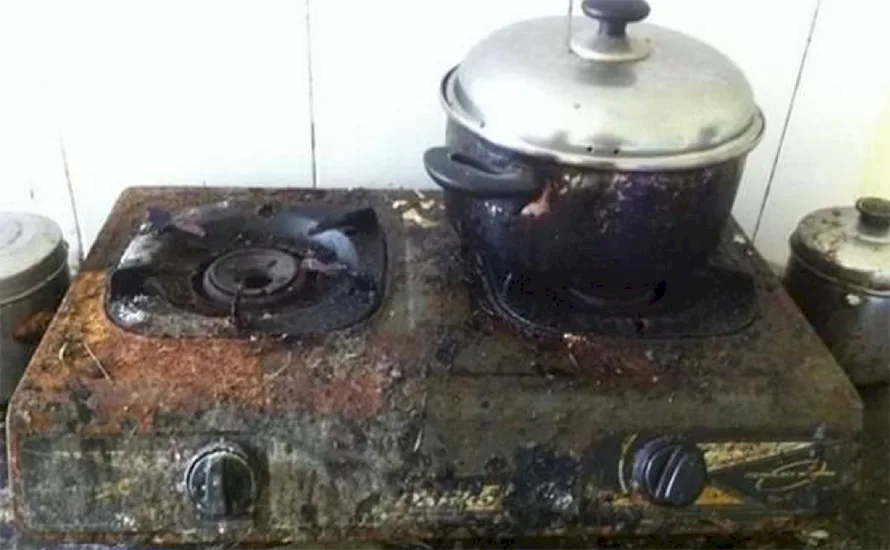
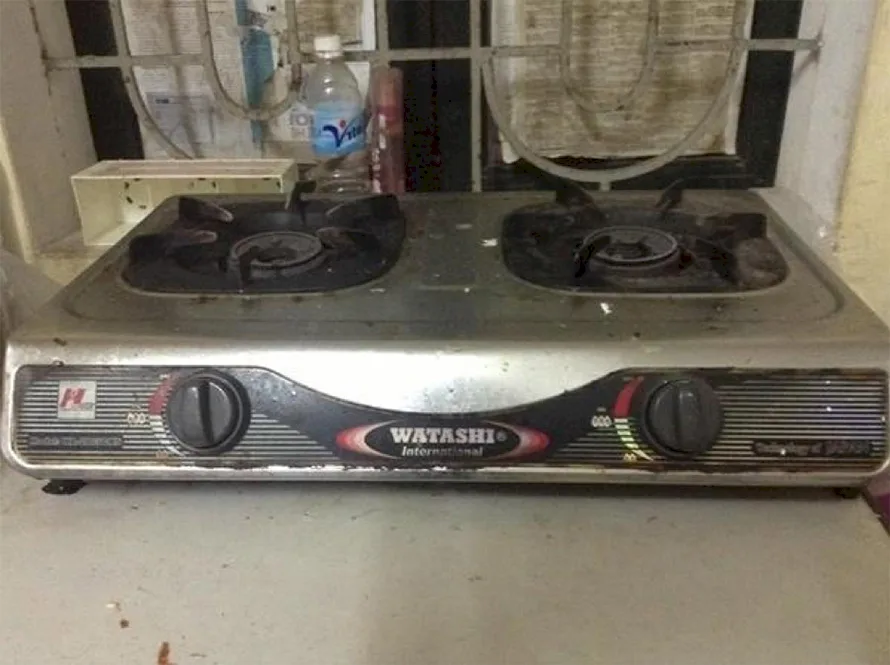
Thrift is a fine Vietnamese virtue, but some things are worth paying to replace, and a worn-out, poor-quality stove is one of them. If you have been using the same gas stove for too long, buy a new one that is reliable and safe.
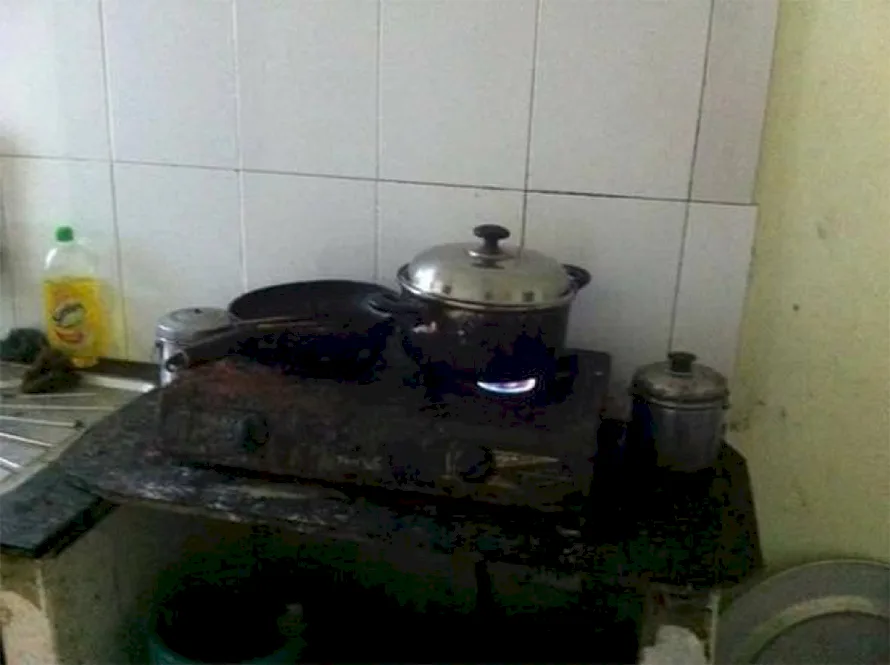
Even a stove that is not very old should be replaced if it shows heavy wear or rust. A stove in that condition is like a ticking time bomb sitting in your family kitchen.
Choose a gas stove from a reputable manufacturer, with a proper warranty and careful installation, so the whole family can cook everyday meals with peace of mind.
2. Close the cylinder valve before turning off the stove
There have been cases where the cylinder valve was left open and the hose stayed full of gas for a long time; when a rat chewed through it, gas leaked out and a spark started a fire. People often forget to close the cylinder valve after cooking, or close it in the wrong order (turning off the stove first and closing the valve afterwards, which leaves gas in the hose).
To be completely safe, always close the cylinder valve carefully when you have finished cooking. Turn off the stove properly, then close the valve.
3. Not cleaning the stove regularly
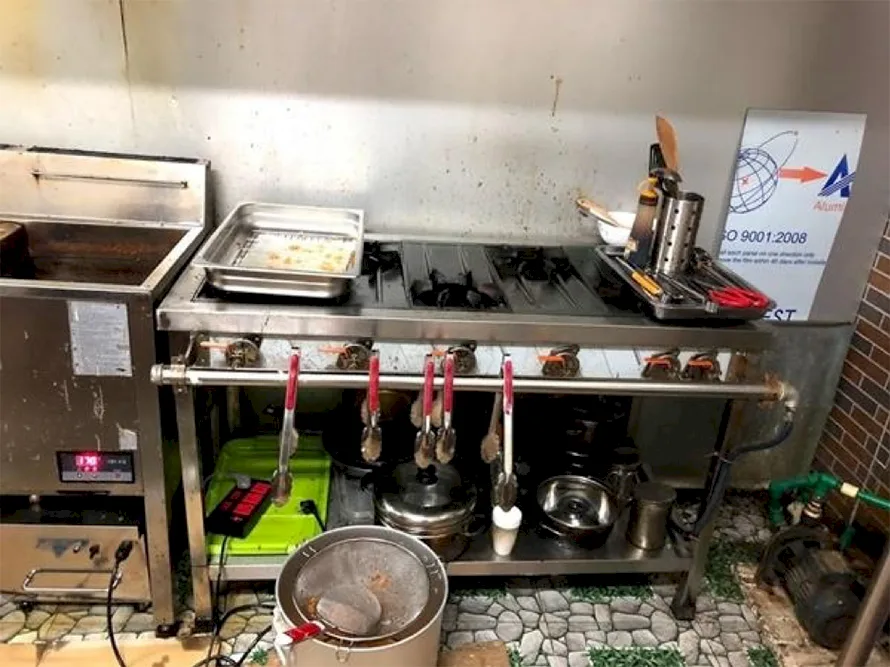
Many people think that cleaning a stove simply means wiping the surface, but there is more to it. Most gas explosions are caused by leaks: a corroded cylinder, a loose valve, a hose chewed by rats… Regular cleaning and checks help you avoid unfortunate problems such as a broken stove or an exploding cylinder.
4. Pots and pans that don't fit the burner
Pots and pans of the wrong size make it hard to control the flame. The flame spreads out beyond the base of the pot, heats up the gas cylinder, shortens the life of the stove and can even cause a fire or explosion.
So, to protect your loved ones, use pots and pans of a suitable size when cooking on a gas stove; your stove and cookware will last longer too.
5. Skipping regular checks
People often don't bother to check their appliances as long as nothing seems broken. A gas stove runs on gas, so if gas leaks out and builds up, a single spark can cause a fire or explosion at any moment.
To stay safe, check the stove and everything connected to it, such as the hoses, cylinder and valves, once every two months. The test is very simple: brush a little soapy water over the cylinder, hose and valve. If bubbles appear, there is probably a hole or leak at that spot and the part needs replacing right away.
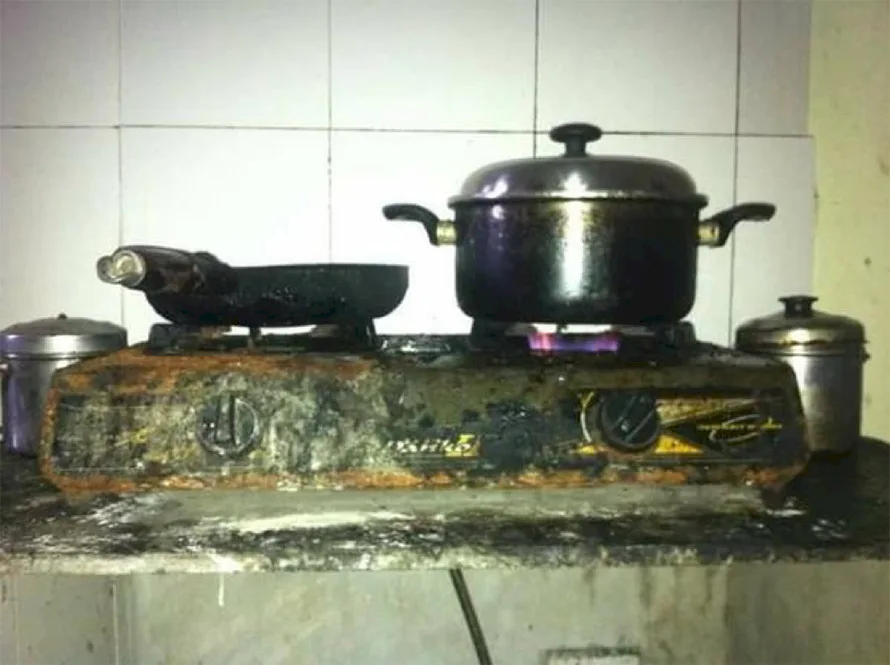
Also, once a gas stove has been used for a long time and the surface is damaged, the burners are worn, the knobs are broken or the igniter works poorly, buy a new one so you can cook more efficiently and safely.
6. Using a lighter or mobile phone to check the stove
This is the one thing you must never do with a gas stove. If you suspect a leak, close the gas valve immediately and open the doors and windows to let the gas escape. Never use a lighter, fan, phone or anything similar near the stove, as it can easily cause a fire or explosion.