
 Tiếng Việt
 日本語
日本語
 简体中文
简体中文
 繁體中文
繁體中文
A Handbook for Making Vegetarian Cooking More Appealing
More and more people are choosing a vegetarian diet for everyday eating, but most struggle with how to cook and how to make sure their dishes provide enough nutrition. That's why a handbook for making vegetarian cooking more appealing attracts so much interest.
Vegetarian cooking handbook – choosing ingredients
Vegetarian meals naturally centre on plant foods, so to make sure you get enough nutrients you need to combine many different foods when cooking.
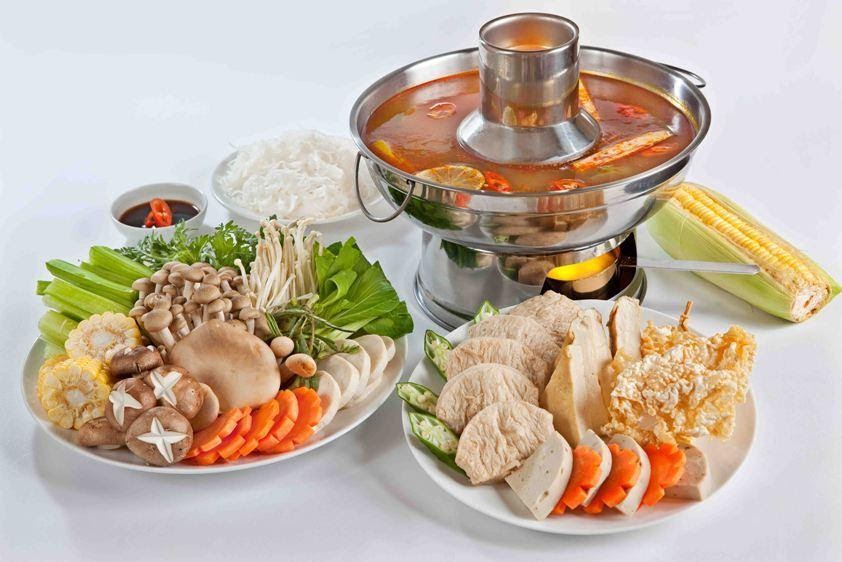
When making stock for soups and broths, use roots and canes such as jicama, carrots and sugarcane. This gives more variety and a better flavour than using just one.
Sweetness also makes food more appetising and gives it more depth, but we shouldn't overuse sugar in our dishes if we want to avoid health problems. So choose plenty of natural foods to improve your meals and make them more appetising.
Some foods can be rather tough and chewy, which can put people off and leave them worried about what they're eating. So choose foods rich in zinc such as beans and seeds, calcium from broccoli, bok choy and seaweed, and iron from dried fruit, beans and grains.
Seasoning
For vegetarian dishes, seasonings such as sugar, salt and seasoning powder only form the base. If you only use these common seasonings, your meals will become rather monotonous.
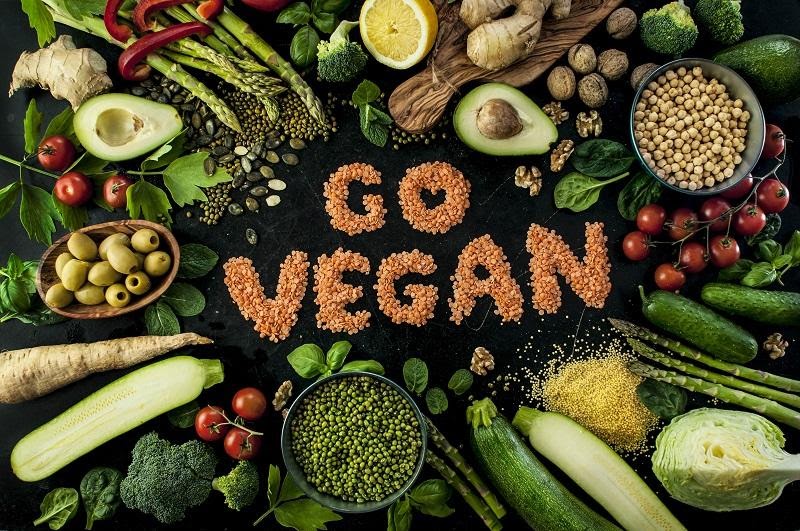
So use aromatic and colouring seasonings to make your dishes more distinctive. You can choose plant-based aromatics such as curry powder, cinnamon powder, fermented soybean paste, fermented tofu and fresh herbs, which will make your food more appetising.
Ingredients made from beans and flour are naturally a dull white, so add colour with turmeric powder, annatto and beetroot. This makes vegetarian dishes more colourful. You should also use seasonings in moderation, especially spicy and sour ones.
How to cook appealing vegetarian dishes
First, marinate your ingredients to give your dishes more flavour. But don't marinate them for too long, as they can turn mushy and lose their freshness.
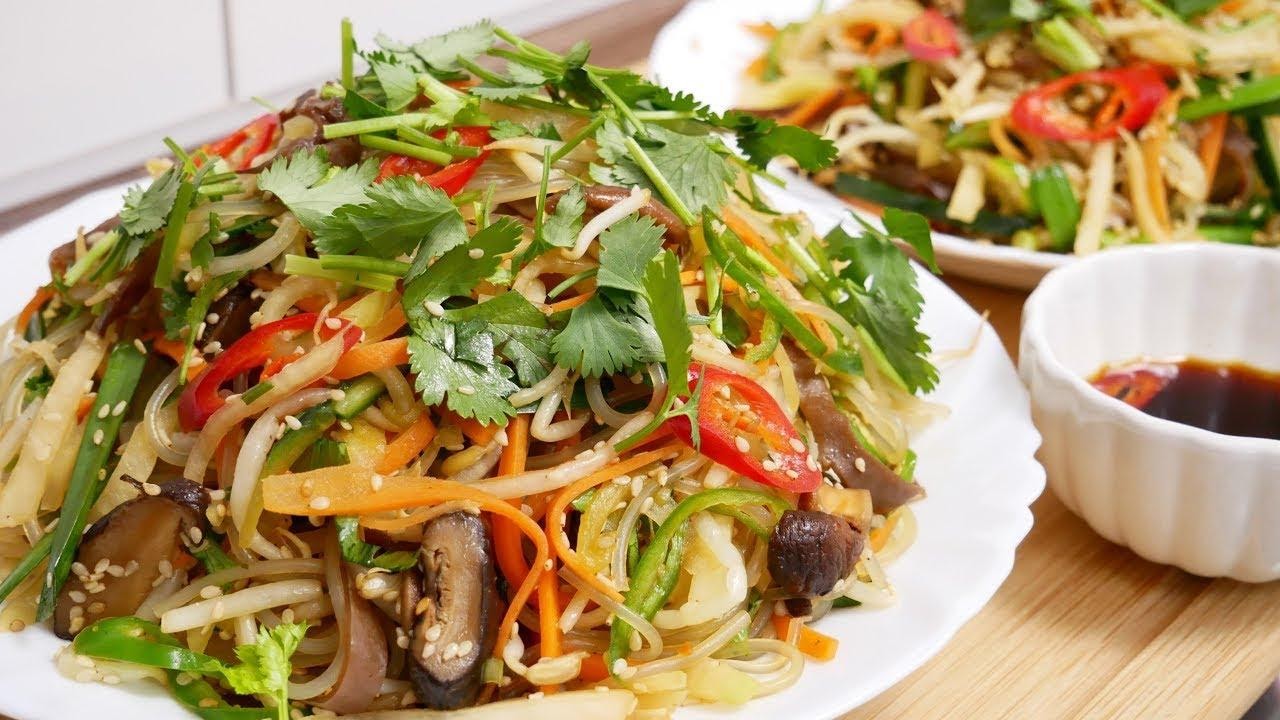
Also, don't overcook your food. Vegetarian dishes use vegetables and fruit for their vitamins and minerals, so overcooking, especially in stir-fries, will make the food lose its nutrients.
Too much fat not only upsets the nutritional balance but also robs food of its original delicious flavour. So when cooking vegetarian dishes, don't overuse fat.
In particular, don't cook vegetarian food for too long over too high a heat. For braised dishes and stews, remember to turn the heat down once they come to the boil so the food doesn't dry out and cooks more evenly.
So there you have some of our handbook tips for making vegetarian cooking more appealing. We hope this knowledge helps you solve the tricky puzzle that makes eating vegetarian such a headache.
Revealed: Vegetables That Provide Protein for Vegetarians
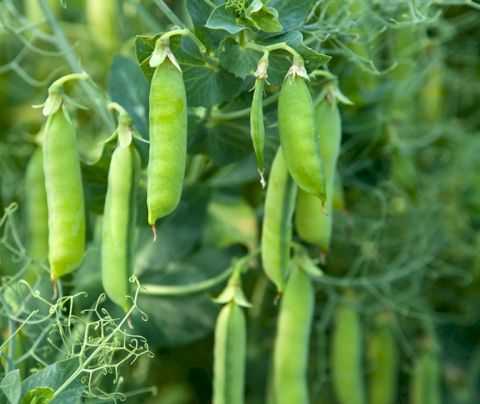
Protein plays a vital role in our bodies. Many people mistakenly think protein is only found in meat, fish and eggs, but it's also found in vegetables. So if you're vegetarian, take a look at these protein-providing vegetables.
10+ Reasons to Decide to Go Vegetarian Right Now
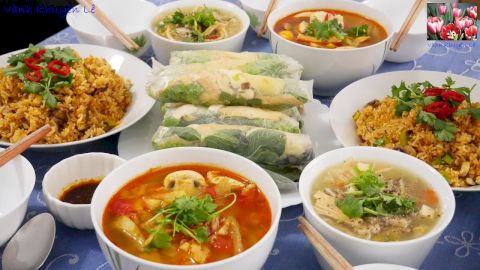
Vegetarian eating is today's big food trend. What are the benefits of a vegetarian diet? Why do people love eating vegetarian? This article, 10+ reasons to decide to go vegetarian right now, will help you understand. Read on.
Is a Vegetarian Diet Suitable for People Who Do Bodybuilding?
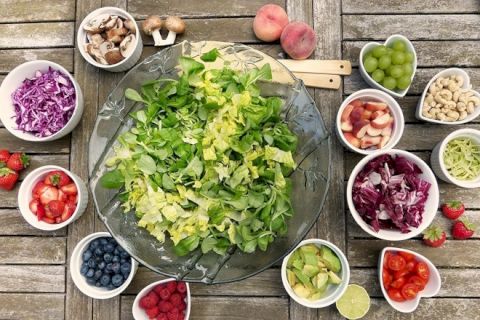
Many people mistakenly believe that bodybuilding (going to the gym) requires a diet with red meat to build muscle, while vegetarian dishes, being mostly vegetables, can't provide enough nutrients for training. Is that really true?
Why Many People Fail When Trying to Go Vegetarian
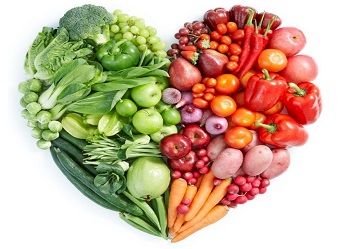
Vegetarianism is a very popular idea these days, and many people assume eating vegetarian is perfectly easy. Yet many who adopt the diet find they don't have enough energy for work and daily life.
Save These Tips to Make Vegetarian Meals More Interesting
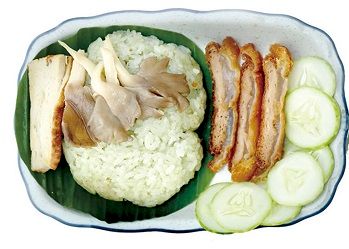
Vegetarian eating is gradually becoming a new trend. People who normally eat meat often face quite a few difficulties when cooking and enjoying vegetarian dishes.
Why Can't You Lose Weight Even Though You Eat Vegetarian Regularly?

The fact is that many people can't lose weight despite eating vegetarian regularly; some even put on a lot of weight. So what's behind it?
Health Risks from Plant Foods That Aren't Stored or Cooked Properly
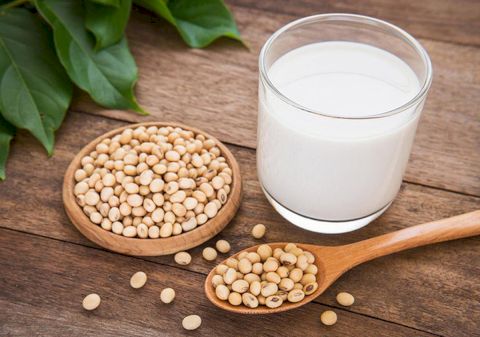
Many vegetables contain toxins that can be dangerous when eaten raw or undercooked. To best protect your family's health and your own, limit raw and undercooked foods.
Da Lat and Its Flower Seasons
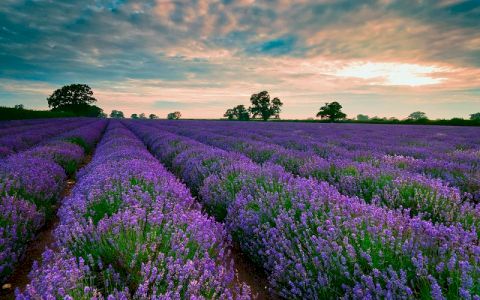
Da Lat is known as the city of a thousand flowers. Blossoms fill every corner of locals' gardens and the city's vast flower parks, bloom in little clusters around Xuan Huong Lake and blanket wild, vibrant fields on the outskirts. It is the signature charm of this misty city: every month, every season, the dreamy town dons a new silk dress woven from countless flowers. Join VN Cooking to discover the flowers of Da Lat!
Meaningful Gifts to Thank Your Teachers on November 20