
 Tiếng Việt
 日本語
日本語
 简体中文
简体中文
 繁體中文
繁體中文
How to Eat Vegetarian the Right Way: What Not Everyone Knows
Many people think eating vegetarian simply means eating vegetables and foods without meat or fat. That's only part of it; not everyone knows how to eat vegetarian the right way so the body stays healthy. A proper vegetarian diet brings many benefits for body and mind, but done wrongly it can seriously harm your health.
How to eat vegetarian the right way
According to research by nutrition experts, eating vegetarian the right way brings many health benefits. However, because vegetarian foods today aren't as varied as meat-based ones, people often eat them the wrong way, in ways that are completely unsuitable and can undo the benefits a vegetarian diet brings.
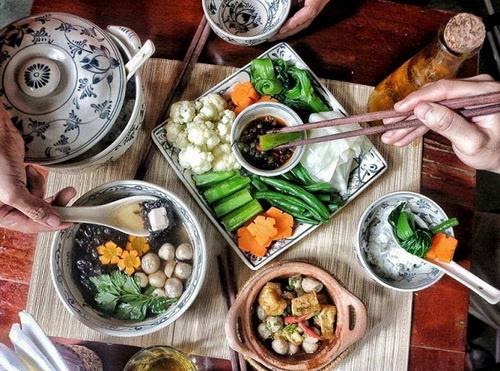
A vegetarian menu must also be nutritionally complete
So how should you eat vegetarian? On average, an adult consumes about 2000 calories a day, so a proper vegetarian diet must include the right proportions of food groups – starch, protein, sugar, fat and fibre – to supply enough nutrients to nourish the body. A vegetarian diet that still meets these proportions typically includes leafy greens (vitamins and fibre), beans (plant protein), whole grains (starch), and fresh fruit and avocado (sugars), all essential foods on a vegetarian menu.
If you're eating vegetarian long-term simply to cleanse the body and stay healthy, the most widely chosen and sensible approach still includes milk, eggs and vegetables, avoiding only fish, meat and seafood. You should also vary your vegetarian foods regularly so you don't get bored of this healthy way of eating.
Tips for eating vegetarian the right way without harming your health
Now that you know how to eat vegetarian the right way, you'll have a better idea of how to choose foods and plan a suitable vegetarian menu. To help you eat vegetarian properly without harming your health, these tips will be very useful:
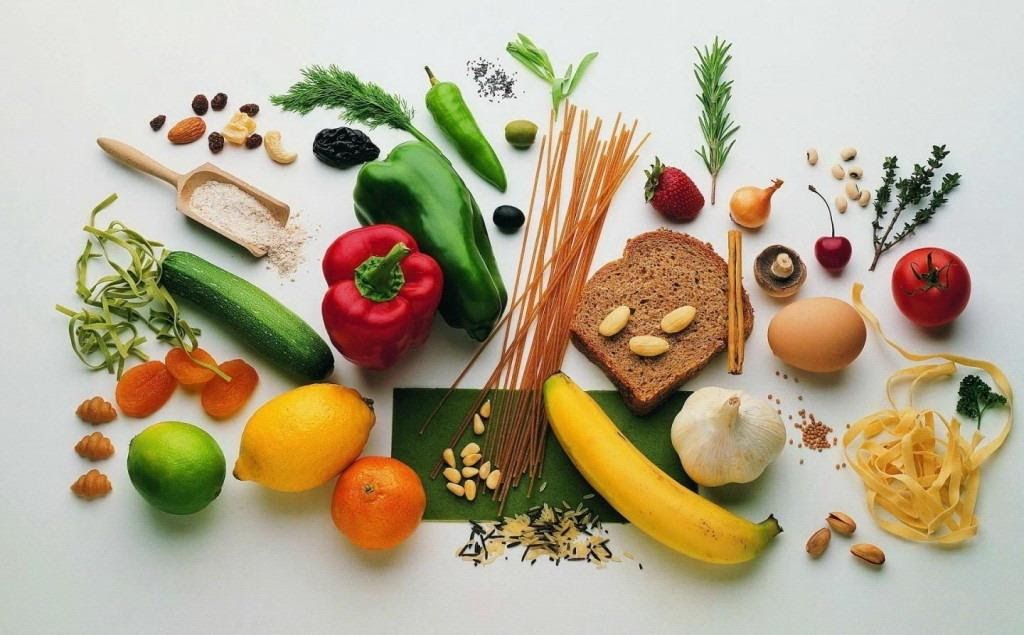
Vary your vegetarian menu with lots of different tasty dishes
- Start small: get used to eating a little less meat each day before gradually switching to a vegetarian diet.
- Look up vegetarian recipes: vegetarian dishes are usually fewer than meat dishes, so look up more vegetarian recipes online to vary your menu.
- Focus on new foods: don't stick only to ordinary vegetables; look for other foods to make eating vegetarian more exciting.
- Look for protein-rich foods for your vegetarian menu: when you cut meat from your daily diet, you can make up for it with protein-rich foods such as nut butters, nuts and seeds, and lentils.
- Vegetarian isn't always healthy: a vegetarian diet brings many health benefits, but you can still drink soft drinks and eat chips. These foods are vegetarian too, but they're definitely bad for your health.
That sums up what you need to know about eating vegetarian the right way. We hope this has helped you better understand how to eat vegetarian, how to choose foods and how to keep this light way of eating interesting. So do your best to put it into practice properly to get the greatest benefits for your health.
What Is Black Termite Mushroom? Its Surprising Benefits and Value
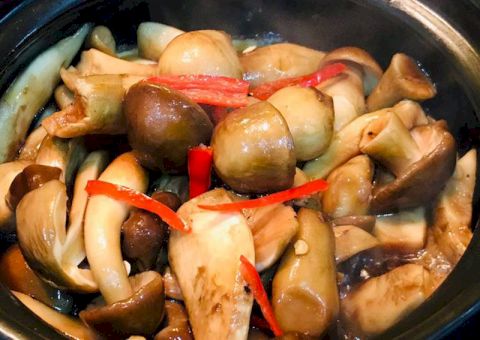
With its naturally sweet, delicate flavour, black termite mushroom is a delicious edible mushroom packed with nutrients. It helps prevent and treat illness, is good for the blood, heart and blood pressure, and is ideal for weight-loss diets.
Ministry of Health Issues Urgent Warning: Pate Minh Chay Contains a Highly Potent Toxin
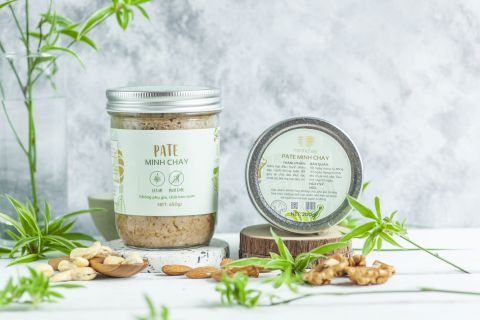
TTO - The Ministry of Health has issued a warning that Pate Minh Chay products contain a highly potent toxin. Between 13 July and 18 August, 9 patients suffered muscle paralysis, muscle weakness, drooping eyelids and weak limbs after eating this product.
Should Pregnant Women Eat Vegetarian? The Pros and Cons
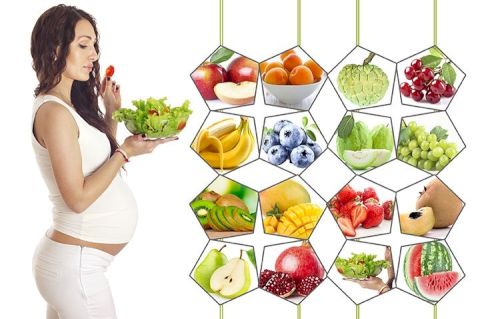
Vegetarian eating is often part of certain religious practices or chosen by people building a lighter diet for themselves.
Why Is a Vegetarian Diet Good for Your Health?
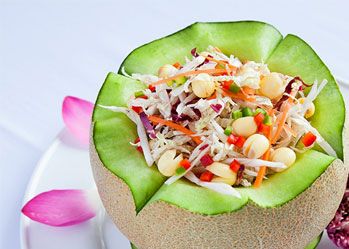
Almost everyone says "eating vegetarian is hard", but few realise that everything has its price, and that this hardship trains us to become far healthier and more balanced than we could imagine.
5 Benefits of a Vegetarian Diet for Body and Mind
Eating vegetarian isn't just a religious practice on the full moon and the first day of each lunar month; it also brings many benefits for everyone's physical and mental health.
Sự khác biệt rất lớn giữa phong tục Tết xưa - Tết nay

Từ việc chuẩn bị Tết, đón Tết, ăn Tết,… giữa phong tục Tết xưa – Tết nay đang có sự thay đổi rất lớn khi cuộc sống con người ngày càng hiện đại.
5 Fun Experiences Only Found in the Sunny, Windswept Central Highlands

The Central Highlands are known not only for endless coffee-covered hills, red basalt soil and unique Rong houses, but also for the many fun experiences they offer every visitor.
Vietnamese Tet in America: Easing Homesickness for the Flavors of Home
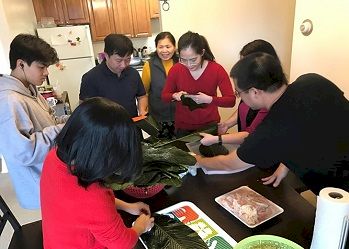
Tet shopping at the Phuoc Loc Tho market, making banh chung and preparing the Tet feast: these are the images of Vietnamese Tet in America for those living far from their homeland.
Spring Travel: Discover 4 Unique Vietnamese New Year Festivals