
 Tiếng Việt
 日本語
日本語
 简体中文
简体中文
 繁體中文
繁體中文
7 Unique Facts About the Philippines, Land of a Thousand Islands
The Philippines is known as a holiday paradise that draws huge numbers of tourists, with beautiful islands and colorful traditional festivals. On top of that, this land of a thousand islands has many fascinating features that not everyone knows about.
Officially called the Republic of the Philippines, the country has sovereignty over more than 7,107 islands large and small in Southeast Asia. Located close to the equator, it has been blessed by nature with remarkably rich and varied resources. With a total area of over 300,000 km2, the Philippines is the 64th largest country in the world, with a population of over 100 million. The host of the 2019 SEA Games also has the following unique features:
The Philippines has over 7,641 islands large and small
This is a standout feature that few countries share. For decades, Filipinos believed their country had only 1,107 islands. But in 2013, NAMRIA, the National Mapping and Resource Information Authority under the Philippine Department of Environment and Natural Resources, used new technology to survey more of the land above sea level.
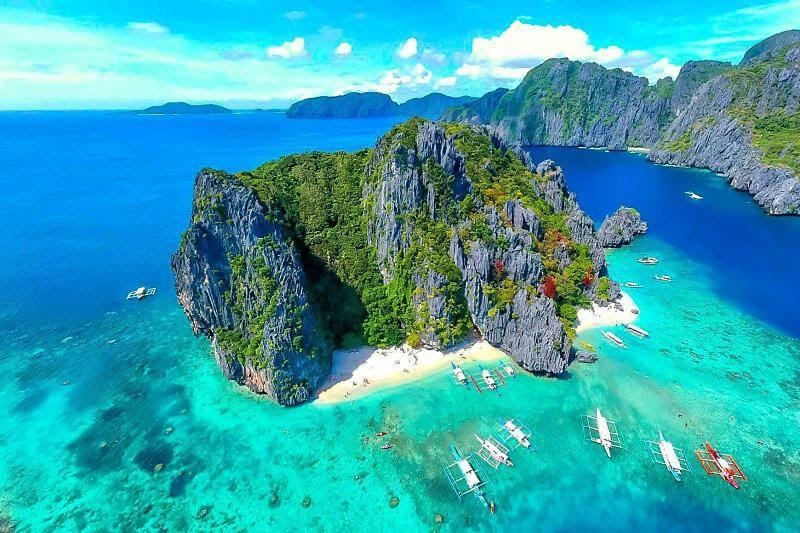
By the end of 2013, NAMRIA had officially identified over 500 previously unknown islands, bringing the country's total to about 7,641 islands.
Manila: considered the most densely populated city in the Philippines
Anyone traveling to the Philippines surely wants to visit and experience the development of Manila, the country's main city. Manila is also known as the most densely populated place in the world, with some of the worst traffic congestion anywhere.
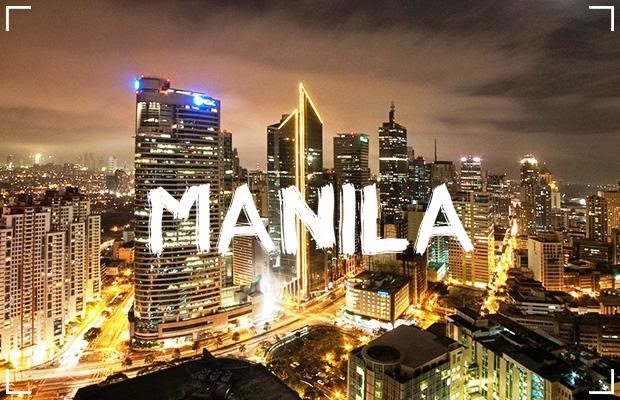
In fact, Manila covers only about 62 km2, yet it is home to nearly 1.7 million people, with a birth rate of about 3 children per woman. So when traveling in the Philippines, try to avoid rush hour to keep from getting stuck in traffic.
The Philippines is home to some of the oldest schools in Asia and the world
The Philippines is also famous for having some of the oldest universities in Asia and the largest in the world. The University of Santo Tomas in Manila, founded in 1611, is known as the largest Catholic university in the world today.
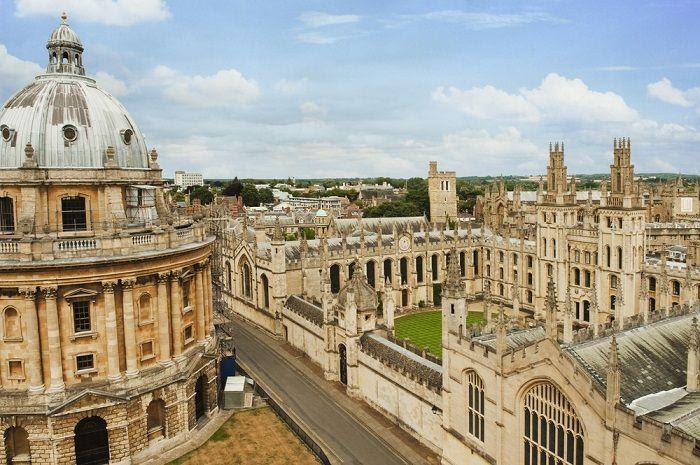
Then there is the University of San Carlos in Cebu, a Catholic university founded in 1595 by a Spanish priest. It is known as one of the oldest universities in Asia, older even than Harvard University in the United States.
Most Filipinos speak English
Although it is a Southeast Asian country, over 90% of the Philippine population can speak English, from 90-year-olds to 3-year-olds. This has made the Philippines the 5th largest English-speaking country in the world today.
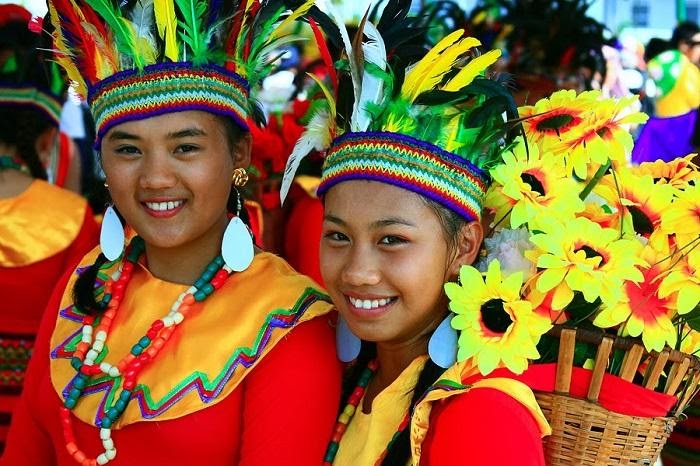
So foreign tourists don't face any language barrier in the Philippines. Besides English, about 175 languages are used here, of which about 171 are considered "living", while other tribes have about 4 languages spoken by few people. Today the country uses 4 main languages: English, Filipino (Tagalog), Ilocano and Cebuano.
What's more, English courses in the Philippines are good quality and quite cheap, ranging from just 16,000,000 to 20,000,000 VND for a 3-month course including meals, transport, visa and other costs. A trip to the Philippines is a great opportunity to improve your language skills.
Ride a jeepney, the Philippines' most iconic sight
You can't talk about the Philippines without mentioning jeepneys, the symbol of the host of the 30th SEA Games. These vehicles were modeled on US military jeeps from World War II. They are the most common means of transport for middle- and lower-income people, with fares from just 8 pesos (4,000 VND).
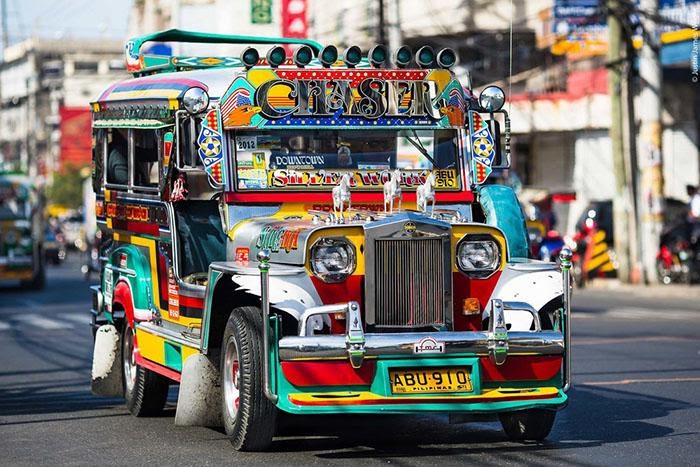
Riding a jeepney is a fun experience that nearly every visitor to the Philippines wants to try, cruising along the streets. Jeepneys usually don't have clearly fixed routes, so passengers just hop on one heading where they need to go, hand the fare to the driver and ring the bell when they reach their stop.
Although jeepneys are mainly used by ordinary working people, they are a source of pride for Filipinos. They are usually decorated with unique patterns and religious images, and play music to entertain passengers. Today there are over 50,000 jeepneys running in Manila, and they are also a symbol of efforts to help protect the environment.
The Philippines, land of beauty queens
Everyone knows the Philippines is beautiful, not just for its scenery but also for its people. The country has won at least 8 titles at the world's major beauty pageants.

The Philippines is gradually taking the lead in the Big Four pageants: Miss Earth, Miss International, Miss World and Miss Universe. And as host of the 30th SEA Games this year, the country's beauty queens will parade with the athletes of the Southeast Asian nations at the opening ceremony.
The friendly manners of Filipinos
One reason more and more foreigners visit the Philippines is the way people treat them. Locals usually address visitors as Sir or Ma'am, whatever their age.

Filipinos also use honorifics such as "Kuya" and "Ate" (big brother, big sister) to address people slightly older than themselves. Special groups such as the elderly, children, pregnant women and people with disabilities always get their own priority lines when waiting at restaurants, banks or bus stops. In some cases, though, their manners can lead to funny situations and test visitors' social skills: you'll rarely hear a Filipino say "no" when you ask for something or ask a question.
The Philippines, land of a thousand islands, always has plenty of special and fascinating things for visitors to discover. We hope you'll find time to experience them and see for yourself how wonderful the Philippines is, from its people to its nature.
Hà.R (Compiled)
What Is Black Termite Mushroom? Its Surprising Benefits and Value
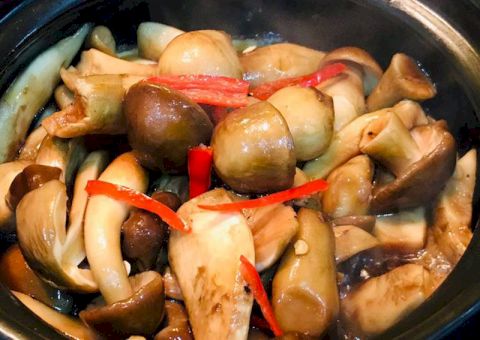
With its naturally sweet, delicate flavour, black termite mushroom is a delicious edible mushroom packed with nutrients. It helps prevent and treat illness, is good for the blood, heart and blood pressure, and is ideal for weight-loss diets.
Ministry of Health Issues Urgent Warning: Pate Minh Chay Contains a Highly Potent Toxin
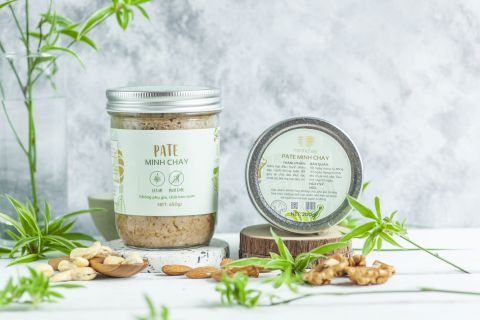
TTO - The Ministry of Health has issued a warning that Pate Minh Chay products contain a highly potent toxin. Between 13 July and 18 August, 9 patients suffered muscle paralysis, muscle weakness, drooping eyelids and weak limbs after eating this product.
Should Pregnant Women Eat Vegetarian? The Pros and Cons

Vegetarian eating is often part of certain religious practices or chosen by people building a lighter diet for themselves.
How to Eat Vegetarian the Right Way: What Not Everyone Knows
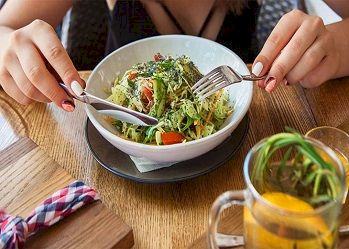
Many people think eating vegetarian simply means eating vegetables and foods without meat or fat. That's only part of it; not everyone knows how to eat vegetarian the right way so the body stays healthy.
Why Is a Vegetarian Diet Good for Your Health?
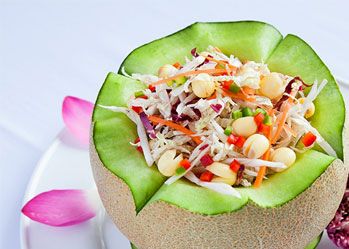
Almost everyone says "eating vegetarian is hard", but few realise that everything has its price, and that this hardship trains us to become far healthier and more balanced than we could imagine.
5 Benefits of a Vegetarian Diet for Body and Mind

Eating vegetarian isn't just a religious practice on the full moon and the first day of each lunar month; it also brings many benefits for everyone's physical and mental health.
Sự khác biệt rất lớn giữa phong tục Tết xưa - Tết nay

Từ việc chuẩn bị Tết, đón Tết, ăn Tết,… giữa phong tục Tết xưa – Tết nay đang có sự thay đổi rất lớn khi cuộc sống con người ngày càng hiện đại.
5 Fun Experiences Only Found in the Sunny, Windswept Central Highlands
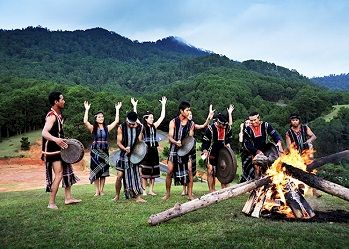
The Central Highlands are known not only for endless coffee-covered hills, red basalt soil and unique Rong houses, but also for the many fun experiences they offer every visitor.
Vietnamese Tet in America: Easing Homesickness for the Flavors of Home