
 Tiếng Việt
 日本語
 简体中文
 繁體中文
How to Choose and Hang Wallpaper for Your Bedroom
How to choose wallpaper by your element and feng shui
Wallpaper patterns: Strictly avoid sharp, pointed patterns, which are said to seriously harm the luck and fortune of the homeowner. Sharp motifs can also cause disagreements and conflict among family members.
Wallpaper colours: Choose colours according to the principles of the five elements, based on which elements support and which clash with each other.
Wallpaper for people of the Metal element
Supporting: Earth generates Metal – metals and ores form within the earth.
For homeowners of the METAL element, wallpaper in white, yellow or metallic shades is ideal. You can also combine it with browns and yellows, as these are nurturing colours (yellow Earth generates Metal). These colours always bring joy and good luck to the homeowner.
Clashing: Fire overcomes Metal – a strong fire melts metal
Pink, red and purple clash with people of the Metal element.
Wallpaper for people of the Wood element
Supporting: Water generates Wood – water keeps trees alive.
For homeowners of the WOOD element, wallpaper in green, deep green or blackish green is the perfect choice. You can also combine it with black and dark navy (black Water generates Wood). These colours give the home a sense of fresh beginnings, are good for health and help family members release stress, fatigue and pressure.
Clashing: Metal overcomes Wood – metal is forged into knives and axes that cut down trees.
White and metallic shades (platinum white overcomes Wood) clash with people of the Wood element
Wallpaper for people of the Water element
Supporting: Metal generates Water – metal melted at high temperatures becomes a liquid.
For homeowners of the WATER element, wallpaper in dark navy or black suits best. Or you can combine it with white and metallic shades (platinum white generates Water).
Clashing: Earth overcomes Water – earth soaks up water and can block its flow.
Earthy yellow and brown clash with people of the Water element.
Wallpaper for people of the Fire element
Supporting: Wood generates Fire – dry wood feeds fire, and Fire uses Wood as its fuel.
For homeowners of the FIRE element, wallpaper in green, red, pink, purple or orange is the most suitable. These colours give Fire people plenty of energy. Red symbolises power, happiness, good fortune and well-being; it is also the colour of love and weddings, expressing lasting romance.
Clashing: Water overcomes Fire – water puts out fire
Navy blue and black clash with people of the Fire element.
Wallpaper for people of the Earth element
Supporting: Fire generates Earth – fire burns everything to ash, and ash builds up into earth.
For homeowners of the EARTH element, wallpaper in brown, earthy yellow or earthy orange is best. These colours always radiate warmth, harmony, joy and a cheerful optimism. Yellow or orange-brown wallpaper with landscape or plant motifs creates a sense of connection with nature.
Clashing: Wood overcomes Earth – trees draw out all the nutrients and leave the soil barren.
Green clashes with people of the Earth element.
STEPS FOR HANGING WALLPAPER:
Step 01: Make sure the wall is clean, dry and flat
For wallpaper to stick well, the wall must be clean and flat, with no dust or dirt to weaken the adhesive
Step 02: Take everything off the wall
Before hanging wallpaper, remove anything mounted on the wall so you can work more easily.
Step 03: Mix the adhesive correctly
Two kinds of adhesive are commonly used for wallpaper: 315 glue, also called milk glue, which resists mould, and powder paste, which protects the wall from damp.
- When mixing either of these, wait 5 minutes for the adhesive to swell and dissolve evenly.
- Mixing milk glue on its own: 1 kg can be mixed with 02 litres of water. But the most careful way is to pour 01 kg of glue into 01 litre of water and stir well so it doesn't go lumpy, then add another 01 litre of water.
- Mixing powder paste on its own takes more care. Each packet can be mixed with 05 litres of water. Start with 1/3 of the water and stir steadily in a swirling motion to prevent lumps. Only once the paste has dissolved evenly should you add the rest of the water to reach the right consistency for hanging.
Step 04: Prepare the paper accurately
- Measure the wall height precisely and cut the paper into even lengths; measure the width and height of windows and all the corners and edges so your calculations are accurate and you waste less paper.
- Line up the pattern to exact measurements so the joined pieces are even and the pattern matches perfectly at the seams.
- When cutting and hanging, cut the paper into even strips and hang them on the walls accurately.
Step 05: Prepare the paper in one of 2 ways.
Method 1: Wet the back of the paper and let it drain, so it softens and is evenly damp, which prevents bubbling and sagging when you hang it. Then roll adhesive onto the wall and hang the paper.
Method 2: Apply 2 coats of adhesive, rolling it directly onto both the back of the paper and the wall.
- Step 06: Hang the wallpaper and match the pattern
- Before hanging, mark a true, square centre line in relation to the door. If the first sheet is crooked, it will throw off every sheet after it.
- Choosing the starting point is very important, because it will also be where you finish once you've gone round the room.
- Line up the pattern and join the sheets so they match neatly and evenly.
- As you hang each sheet, use a plastic smoothing tool, working from top to bottom to push out all the air bubbles.
- Once the main sheets are up, use a ruler and the smoother to straighten the seams, then trim along the paper with a sharp knife for clean edges.
Step 07: Finish the seams and corners
- Once the paper is up, apply extra thick adhesive to the seams to stop them peeling over time.
- Reinforce the corners of each sheet, as these are the spots most likely to lift from draughts and knocks.
- Protruding wall edges and places where the paper is cut to fit around fixtures must be stuck down firmly, as they are more likely to come loose.
Step 08: Wipe off the adhesive and finish
- The final step is to wipe down the paper to remove any adhesive that has squeezed onto the surface, and to clean off any dust, and you're done.
Your wall is now beautifully and completely papered
HOW TO STRIP OLD WALLPAPER YOURSELF, QUICKLY AND CLEANLY
Before you start stripping:
- Stay safe: Turn off the electricity before stripping wallpaper, and have a halogen lamp and an extension lead ready. Take down anything hanging on the wall that could fall, break and cause harm.
- Use tape on the wall so the paper doesn't tear into bits: Using tape to pull off the wallpaper also helps water get into the paper you need to remove.
- Identify what the wall is made of: If the old wall is plasterboard, you may be better off replacing the panel; if it is a lime-and-sand plastered wall, stripping the paper will be hard work and take a lot of effort.
- Avoid mess: Try not to drop scraps onto the floor as you strip. Use a scraper or your fingernails to remove small bits of wallpaper. Move furniture into one corner of the room or out of the room altogether.
- Identify the type of wallpaper: There are many different kinds of wallpaper, so work out which kind was used before in order to choose the most suitable stripping method.
Points to note before stripping
- Plasterboard, also known as drywall, is a common building material made of gypsum pressed dry between two layers of stiff paper board, used for walls or ceiling linings. It is popular because it is light and easy to install. Take care when stripping wallpaper from this material, as drywall is easily damaged.
- Plaster walls are built over interwoven strips of wood and metal. Drywall absorbs water very easily, so keep its contact with water to a minimum when stripping.
=> You can tell the 2 apart by touching the wall or tapping it gently: plaster is harder, cooler and smoother, while drywall sounds hollow.
QUICK, CLEAN, EASY WAYS TO STRIP WALLPAPER
Method 1: Strip the paper by hand
If the old wallpaper is the strippable kind, prise up the corners with a putty knife and slowly peel off the backing. Peel slowly and gently to avoid damaging the wall surface underneath. If only the top layer comes away, leaving a thin layer of paper and adhesive, it is peelable wallpaper, so strip off the rest of the paper from the surface.
Method 2: Soak and scrape off the paper
To remove wallpaper that is not strippable, first wet it with warm water, then remove it with a solvent. The most effective way to apply it without dripping on the floor is with a paint roller. Then scrape off the damp backing paper with a large knife or a wallpaper scraper.
Method 3: Use a steamer
A wallpaper steamer consists of a large plate connected by a hose to a water tank. As it heats up, it draws water from the tank to the plate, where it turns to steam. To strip wallpaper with a steamer, fill it with water and let it heat up. Starting at the top of the wall, hold the plate against one spot until the paper softens. Move the steamer to the next area and start scraping off the softened backing with a utility knife or a scraper. Steam and condensed water can drip from the plate, so wear rubber gloves and a long-sleeved top to avoid scalds
Method 4: Use a chemical stripper
Before stripping wallpaper with cleaning chemicals, gather the following: old but clean cloths, hot water, fabric softener, washing-up liquid, a wallpaper roller, a knife, a trowel and a spray bottle (the kind used for watering plants).
- Step 1: Remove everything fixed to the wall, including switch plates and socket covers, and cut the power to the room. Rub the wallpaper surface with a damp cloth.
- Step 2: Run a roller over the whole papered wall to prick small holes in the paper, so the solution can soak through to the adhesive beneath.
- Step 3: Mix fabric softener with hot water in a 1:1 ratio (concentrated). Mix small batches at a time so the solution stays hot.
- Step 4: Use the spray bottle (the plant-watering kind) to spray the solution onto the wall. Spray only as much area as you can strip within 15 minutes – if you spray too large an area, the adhesive will dry again before you get to it. Wait for the solution to soak into the adhesive.
- Step 5: Use a knife to lift the edges of the wallpaper from the bottom and peel upwards, or use a trowel to help strip it quickly and cleanly.
- Step 6: Mix washing-up liquid with very hot water and use a sponge scourer to wipe away any remaining adhesive.
Bedroom wallpaper
Wallpaper in the bedroom makes the interior look beautiful and inviting, and gives the room a focal point. Bedroom wallpaper is very popular with many people today. Below are a few bedroom designs that use modern wallpaper.
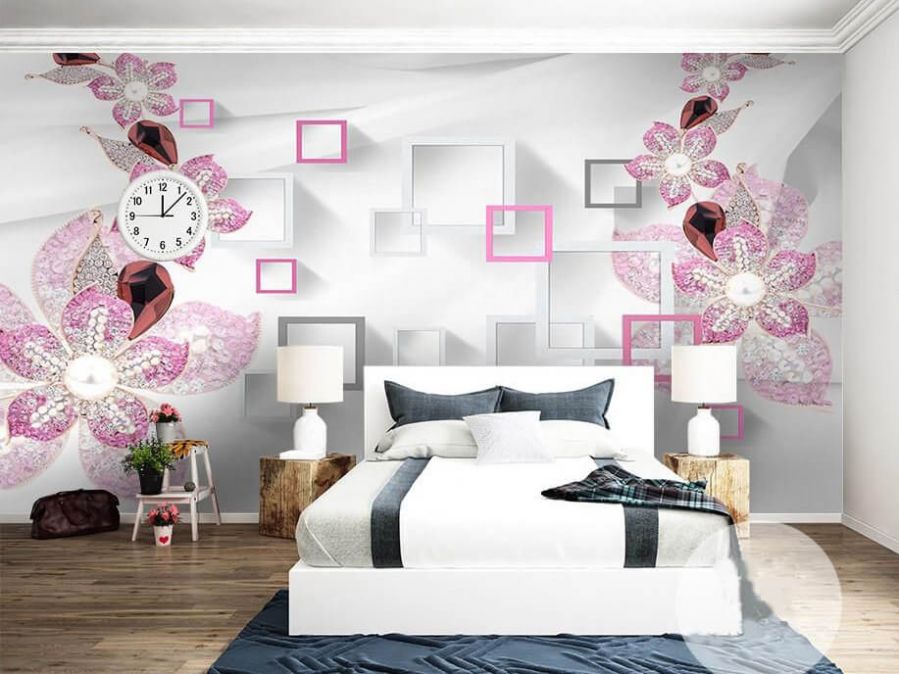
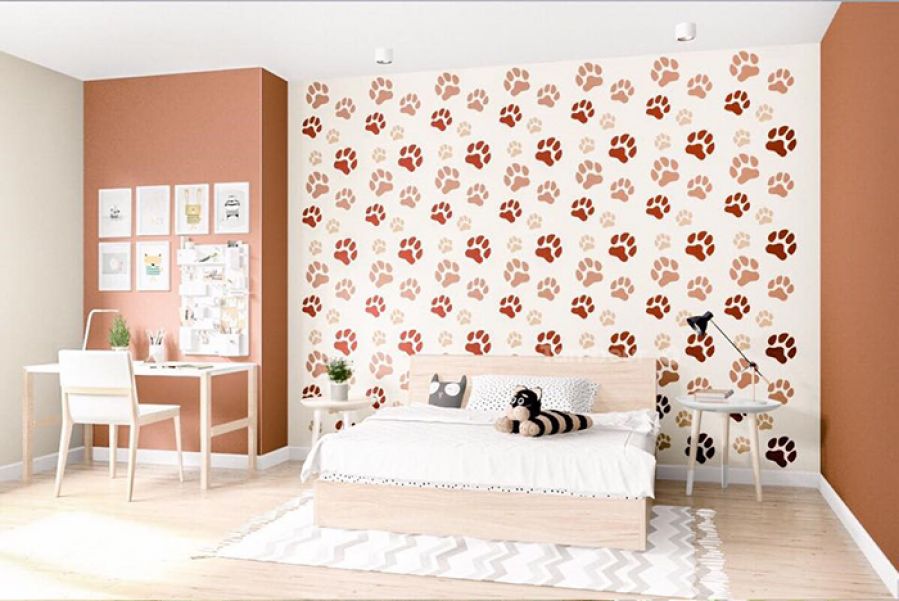
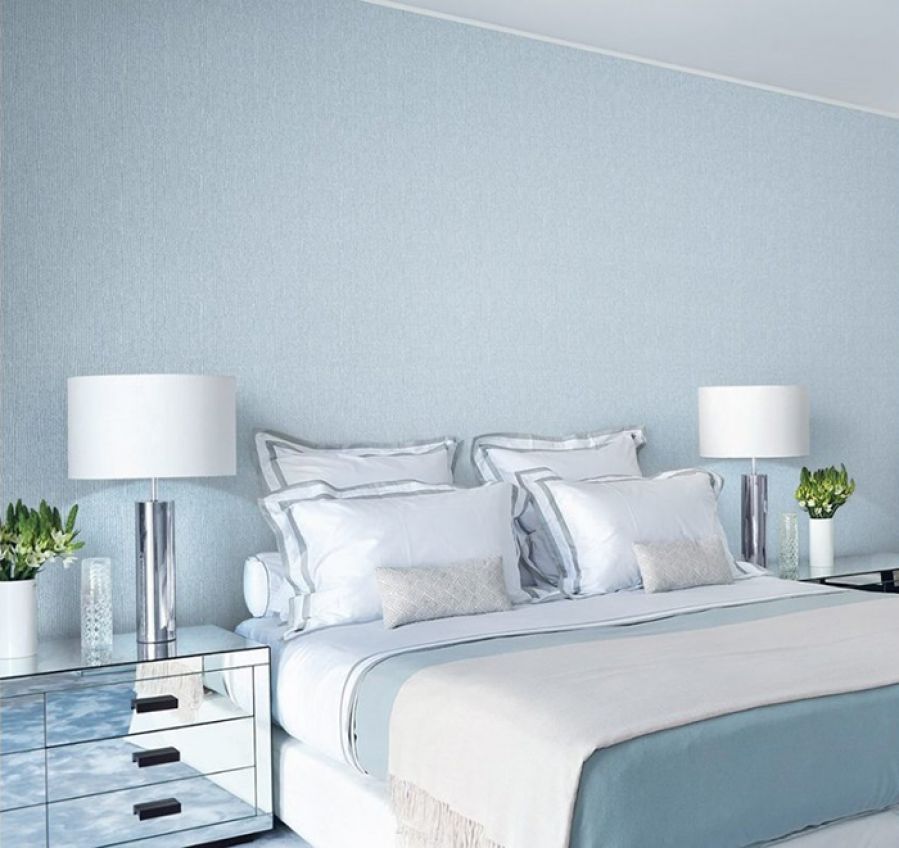
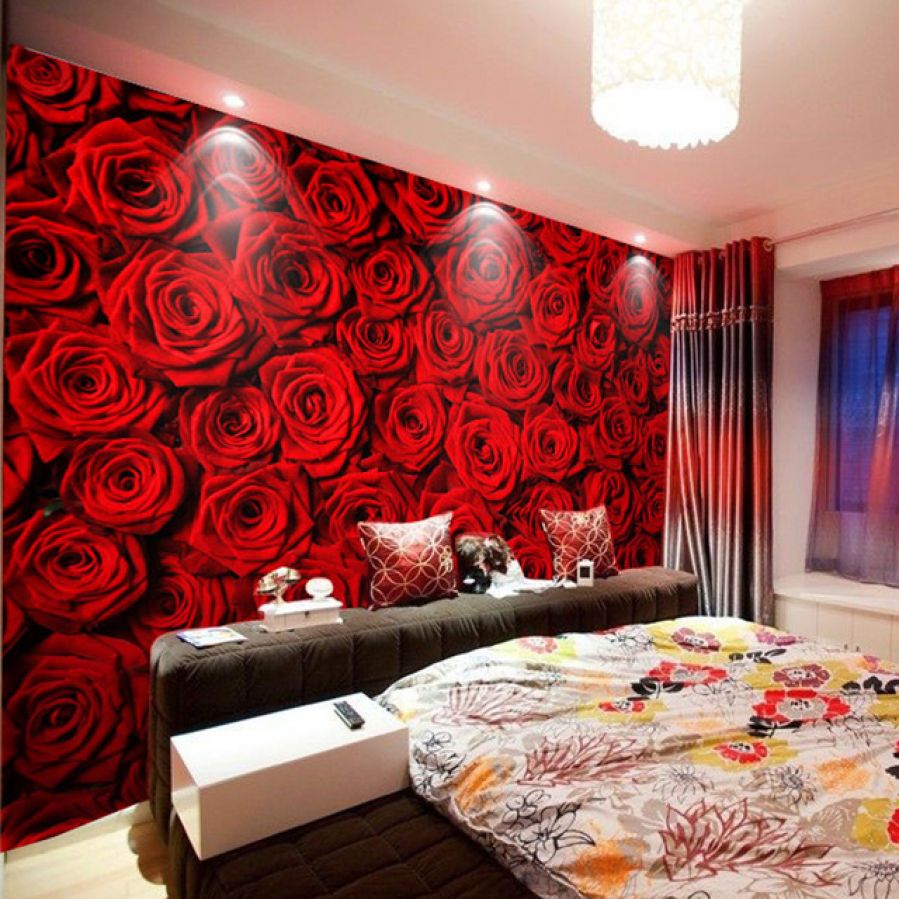
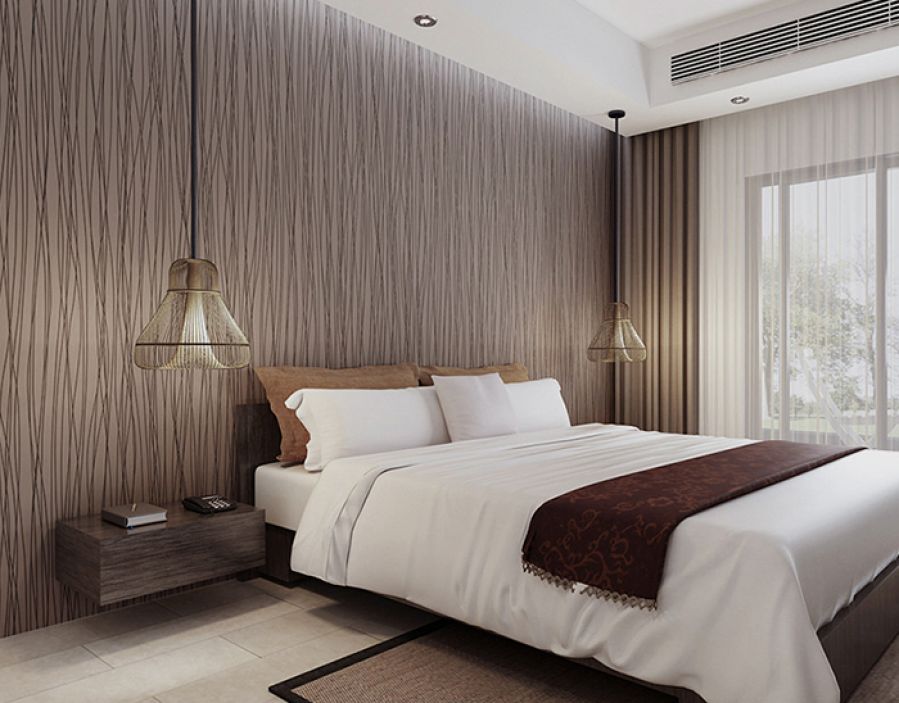
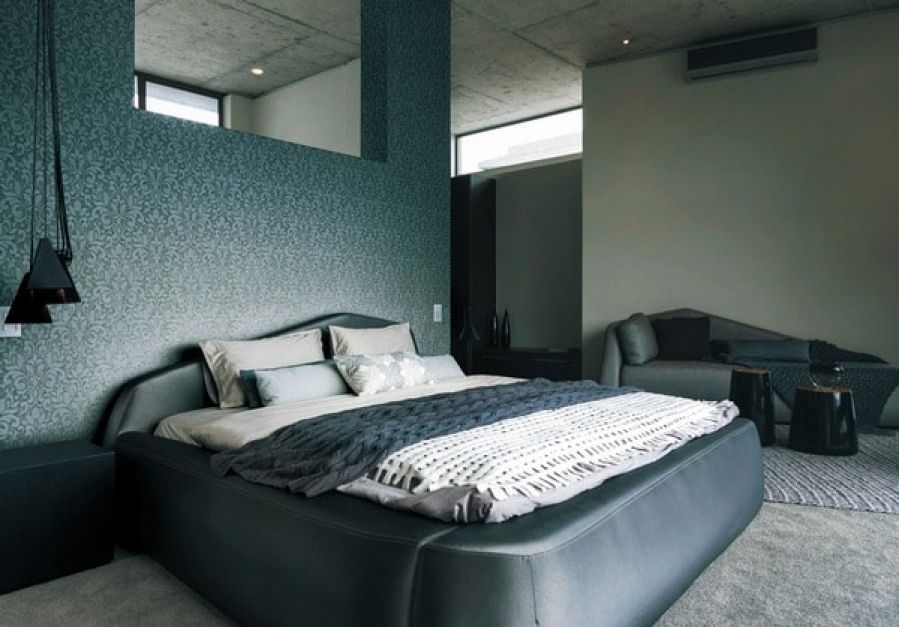
Finally, VN Cooking hopes you can decorate your home beautifully with wallpaper.
Source: compiled
What Is Black Termite Mushroom? How to Choose, Prepare and Cook It

Black termite mushrooms (nấm mối đen) have long, crunchy stems and a mild, sweet flavor, and they're becoming easier to find. Learn what this mushroom is, how to choose fresh ones, and how to prepare, store and cook them into tasty dishes.
Ministry of Health Issues Urgent Warning: Pate Minh Chay Contains a Highly Potent Toxin
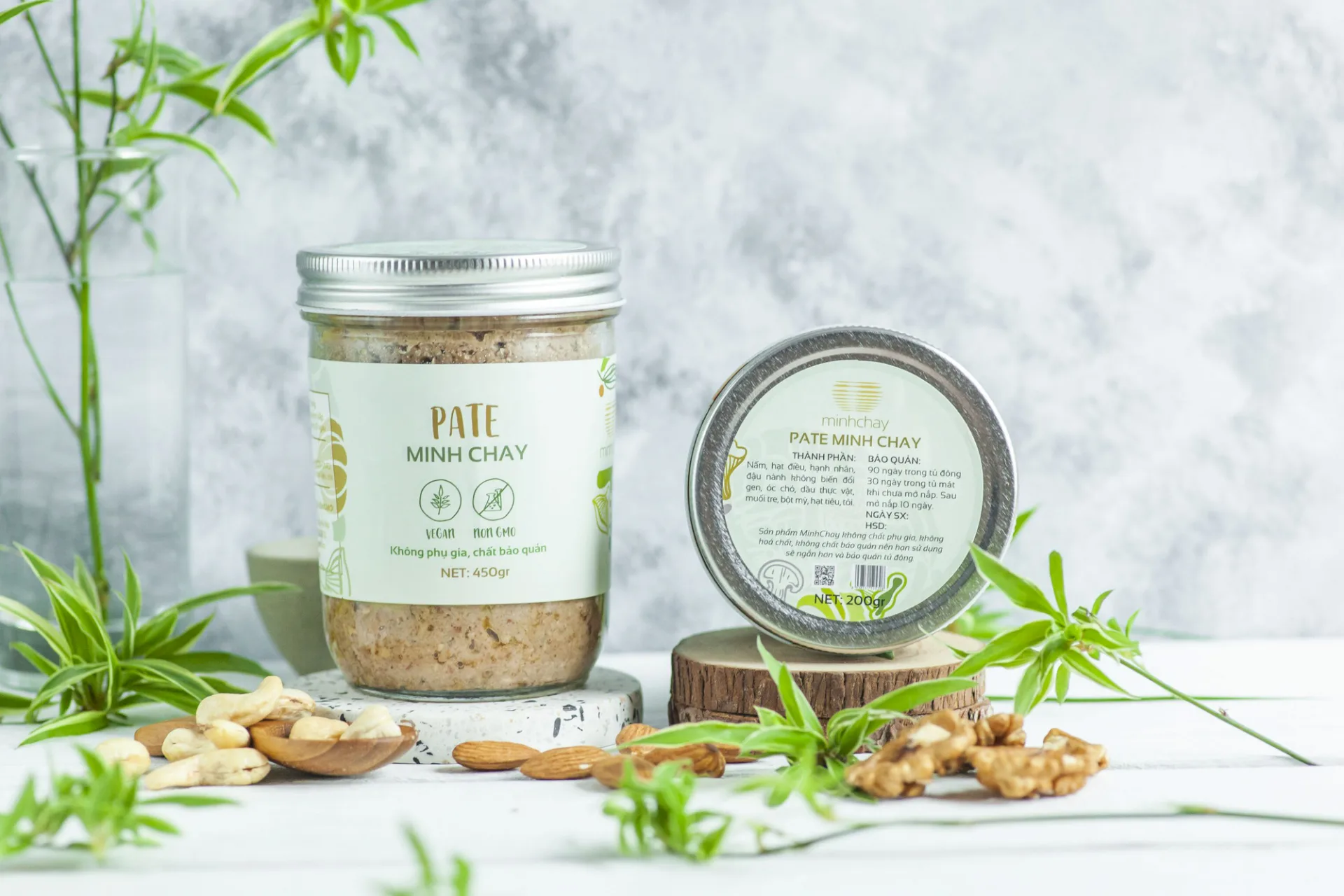
TTO - The Ministry of Health has issued a warning that Pate Minh Chay products contain a highly potent toxin. Between 13 July and 18 August, 9 patients suffered muscle paralysis, muscle weakness, drooping eyelids and weak limbs after eating this product.
Should Pregnant Women Eat Vegetarian? The Pros and Cons

Vegetarian eating is often part of certain religious practices or chosen by people building a lighter diet for themselves.
How to Eat Vegetarian the Right Way: What Not Everyone Knows

Many people think eating vegetarian simply means eating vegetables and foods without meat or fat. That's only part of it; not everyone knows how to eat vegetarian the right way so the body stays healthy.
Why Is a Vegetarian Diet Good for Your Health?

Almost everyone says "eating vegetarian is hard", but few realise that everything has its price, and that this hardship trains us to become far healthier and more balanced than we could imagine.
5 Benefits of a Vegetarian Diet for Body and Mind

Eating vegetarian isn't just a religious practice on the full moon and the first day of each lunar month; it also brings many benefits for everyone's physical and mental health.
Tet Then and Now: How Vietnamese New Year Customs Have Changed

From getting ready for Tet to welcoming and celebrating it, Vietnamese New Year customs have changed enormously as modern life has taken hold.
5 Fun Experiences Only Found in the Sunny, Windswept Central Highlands

The Central Highlands are known not only for endless coffee-covered hills, red basalt soil and unique Rong houses, but also for the many fun experiences they offer every visitor.
Vietnamese Tet in America: Easing Homesickness for the Flavors of Home