
 Tiếng Việt
 日本語
 简体中文
 繁體中文
Nourishing Foods for a Speedy Recovery
A sensible diet with all the nutrients the body needs helps patients recover physically and mentally after treatment. Here are some nourishing foods that help speed up recovery.

(Photo: Internet)
Kelp
Kelp is high in calcium, potassium and magnesium, and is especially rich in mineral salts, vitamins, iodine and natural antioxidants. Adding kelp to the daily menu is very important for someone who is just getting over an illness. Kelp helps the body regulate and produce thyroid hormones, and it also helps patients build up their resistance and regain their health.

Energy-rich foods
Nourishing meals for the sick must include energy-rich foods. People who have just been ill need plenty of foods containing protein, healthy fats, starches and carbohydrates to provide the energy needed for recovery and to boost metabolism. Foods to add to the daily menu include fish, beef, pork, shrimp, crab and eggs.
Although eggs are very nutritious, take care not to give patients raw or undercooked eggs, as their resistance is still weak. If the patient cannot eat meat, you can replace it with plant-based protein sources such as soybeans, sesame seeds, sunflower seeds and dark green vegetables.

(Photo: Internet)
Grains and starches should also make up about 40 - 65% of the daily diet. Especially for people who are physically run down, starch from rice, corn, cassava, wheat flour and the like is an essential source of energy.
Ginger
Ginger is a familiar folk remedy; in moderate amounts it helps warm the body and makes you feel more comfortable. Ginger contains oleoresin and terpenes, which are antiseptic and anti-inflammatory, and it is widely used when you have a cold.

(Photo: Internet)
The gingerol in ginger also helps reduce nausea and improves the appetite of people who have just recovered from illness or had surgery. Ginger can be taken with hot tea. Together, ginger and hot tea help the body absorb nutrients better, relieve stomach pain, improve digestion and boost blood circulation.
Fruit
Oranges, lemons, mangoes, bananas, strawberries and the like are excellent for people recovering from illness, weakness or surgery. Fruits high in vitamin C in particular also help reduce the risk of surgical wound infection. Give patients fruit after main meals or as a light snack before meals.
Eating fruit supplies the body with the vitamins it needs, replaces lost electrolytes, increases antioxidant capacity, strengthens resistance and speeds up detoxification. You can also make fruit into juices or smoothies to relieve a dry, bland-tasting mouth and make it easier for the patient to drink.

Also, people with diabetes should limit very sweet fruits, don't serve fruit that was peeled and left overnight, and peel fruit carefully before eating so as not to upset the patient's digestive system.
Nutritional milk drinks
People who are ill, run down and especially those who have just had surgery often find it hard to eat because they feel tired and sluggish, have a bitter taste in the mouth, lose their appetite and are not mentally alert, so they can easily lack essential nutrients. That is why you should give patients nutritional milk drinks made for the sick and those recovering from illness.
Choose a milk drink with enough protein, vitamins (A, B, C, E) and minerals (zinc, iron, magnesium and so on), and ask a doctor if the patient has an underlying condition.
Probiotic yogurt
While making sure a sick or run-down person gets enough nutrients, you also need to be careful not to overload their digestive system. So alongside nutrient-rich foods, give the patient probiotic yogurt to help their digestion work better.

(Photo: Internet)
In addition, regular use of medicines and antibiotics during treatment can upset the balance of bacteria in the patient's gut. Yogurt helps replenish digestive enzymes and beneficial gut bacteria.
Green vegetables
Green vegetables are rich in vitamins, fiber and minerals that strengthen the immune system and speed up recovery. Vegetables such as broccoli, sweet bell peppers, lettuce, cabbage, sprouts, katuk (sweet leaf), mustard greens and celery provide healthy carbohydrates and help fight fatigue. Fiber also helps prevent constipation, a side effect of the painkillers used in surgery.

Other tips
Eat soft, liquid foods
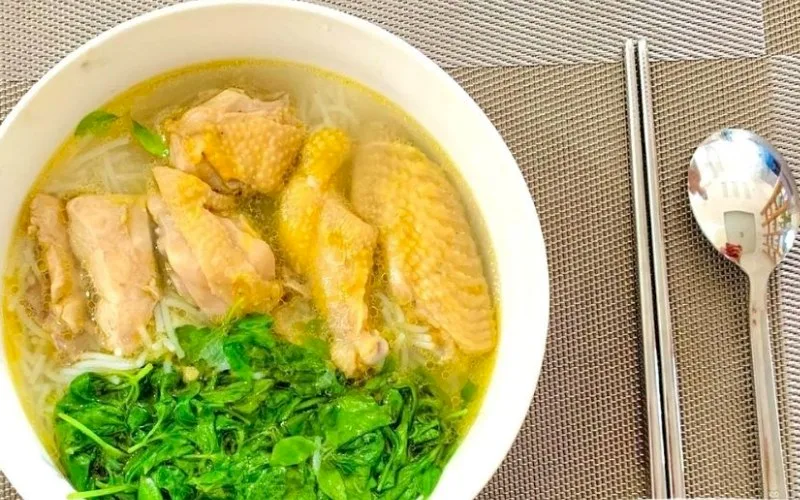
Soft, runny, easy-to-swallow foods such as rice porridge, soups and pho cooked with chicken, pork or beef, with a little spring onion and perilla, help the body recover quickly. Rice porridge is easy to digest and provides nutrients that help rehydrate the body and fight inflammation. If possible, split meals into several small portions so the patient feels comfortable eating. Avoid giving patients dry, hard, fried or greasy foods.
Drink the right amount of water
For people who are ill, run down or recovering from surgery, drinking enough water every day is extremely important. Water helps the joints work better and helps absorb and transport nutrients throughout the body. Drinking enough water also helps the patient's body flush out toxins built up from medication during treatment.
Besides eating nourishing foods to aid recovery, patients should also get a reasonable amount of exercise so their body can heal quickly.
What Is Black Termite Mushroom? How to Choose, Prepare and Cook It
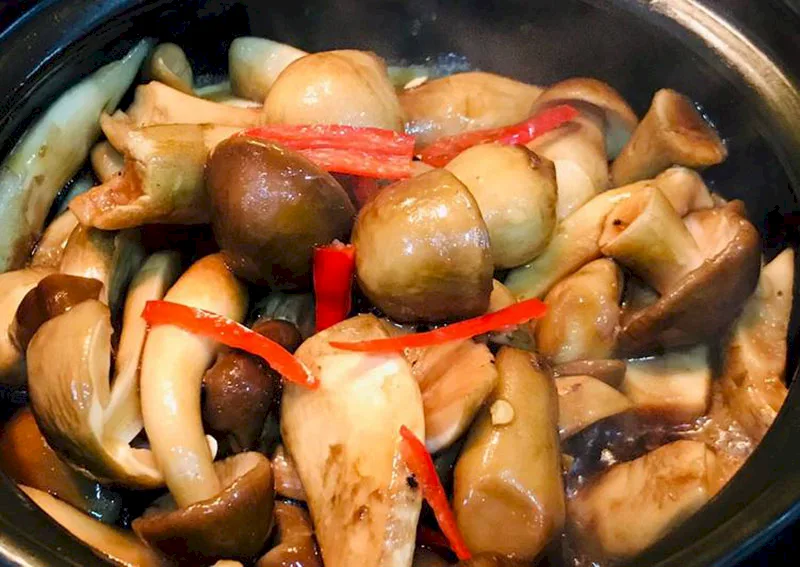
Black termite mushrooms (nấm mối đen) have long, crunchy stems and a mild, sweet flavor, and they're becoming easier to find. Learn what this mushroom is, how to choose fresh ones, and how to prepare, store and cook them into tasty dishes.
Ministry of Health Issues Urgent Warning: Pate Minh Chay Contains a Highly Potent Toxin
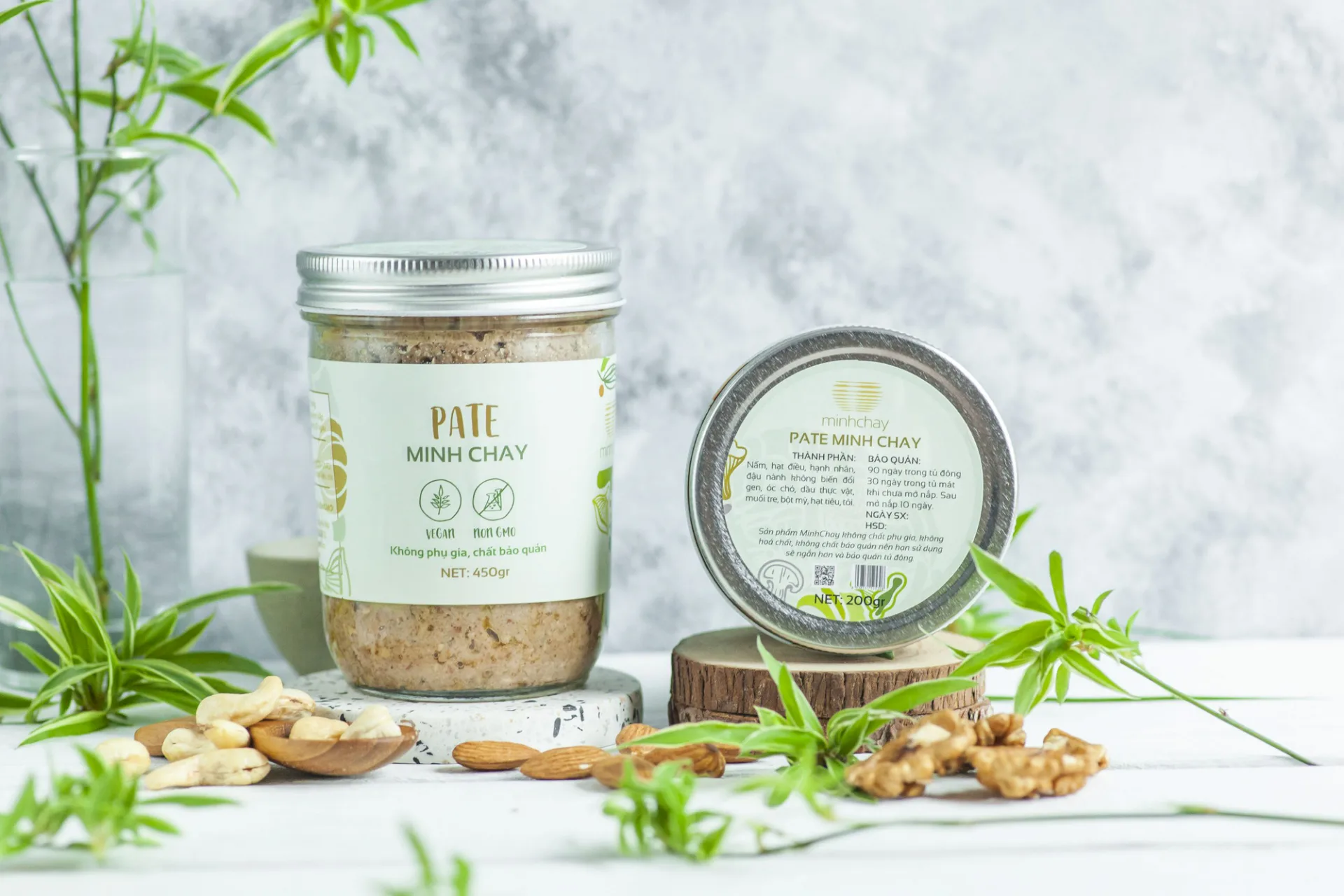
TTO - The Ministry of Health has issued a warning that Pate Minh Chay products contain a highly potent toxin. Between 13 July and 18 August, 9 patients suffered muscle paralysis, muscle weakness, drooping eyelids and weak limbs after eating this product.
Should Pregnant Women Eat Vegetarian? The Pros and Cons
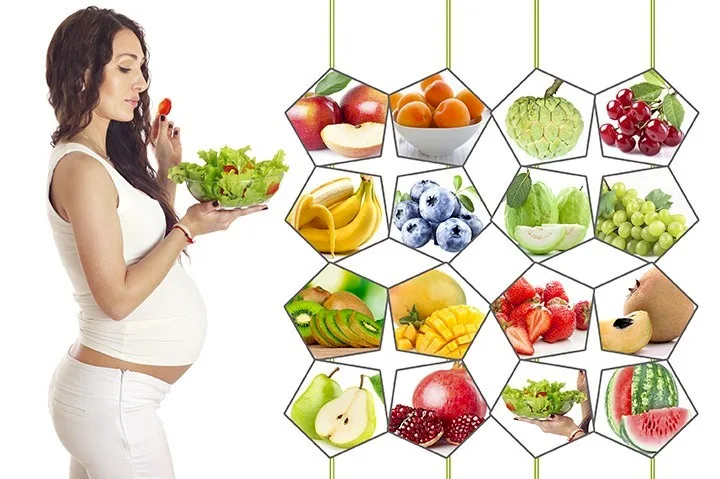
Vegetarian eating is often part of certain religious practices or chosen by people building a lighter diet for themselves.
How to Eat Vegetarian the Right Way: What Not Everyone Knows
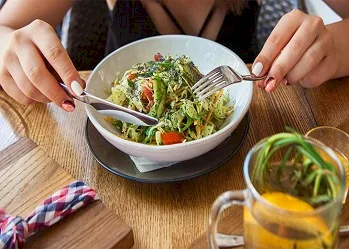
Many people think eating vegetarian simply means eating vegetables and foods without meat or fat. That's only part of it; not everyone knows how to eat vegetarian the right way so the body stays healthy.
Why Is a Vegetarian Diet Good for Your Health?
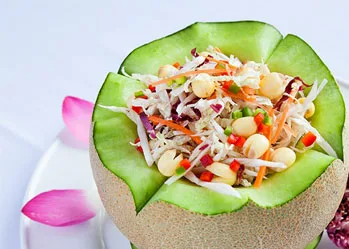
Almost everyone says "eating vegetarian is hard", but few realise that everything has its price, and that this hardship trains us to become far healthier and more balanced than we could imagine.
5 Benefits of a Vegetarian Diet for Body and Mind

Eating vegetarian isn't just a religious practice on the full moon and the first day of each lunar month; it also brings many benefits for everyone's physical and mental health.
Tet Then and Now: How Vietnamese New Year Customs Have Changed

From getting ready for Tet to welcoming and celebrating it, Vietnamese New Year customs have changed enormously as modern life has taken hold.
5 Fun Experiences Only Found in the Sunny, Windswept Central Highlands

The Central Highlands are known not only for endless coffee-covered hills, red basalt soil and unique Rong houses, but also for the many fun experiences they offer every visitor.
Vietnamese Tet in America: Easing Homesickness for the Flavors of Home