
 Tiếng Việt
 日本語
 简体中文
 繁體中文
For a Slimmer Waist: Eating and Exercise Habits to Adopt
No food or exercise can burn fat from your belly alone. A slimmer waist comes from consistent eating, exercise and rest habits over time. Here are some simple changes you can start making with your very next meal.
Eat Plenty of Vegetables and Fruit
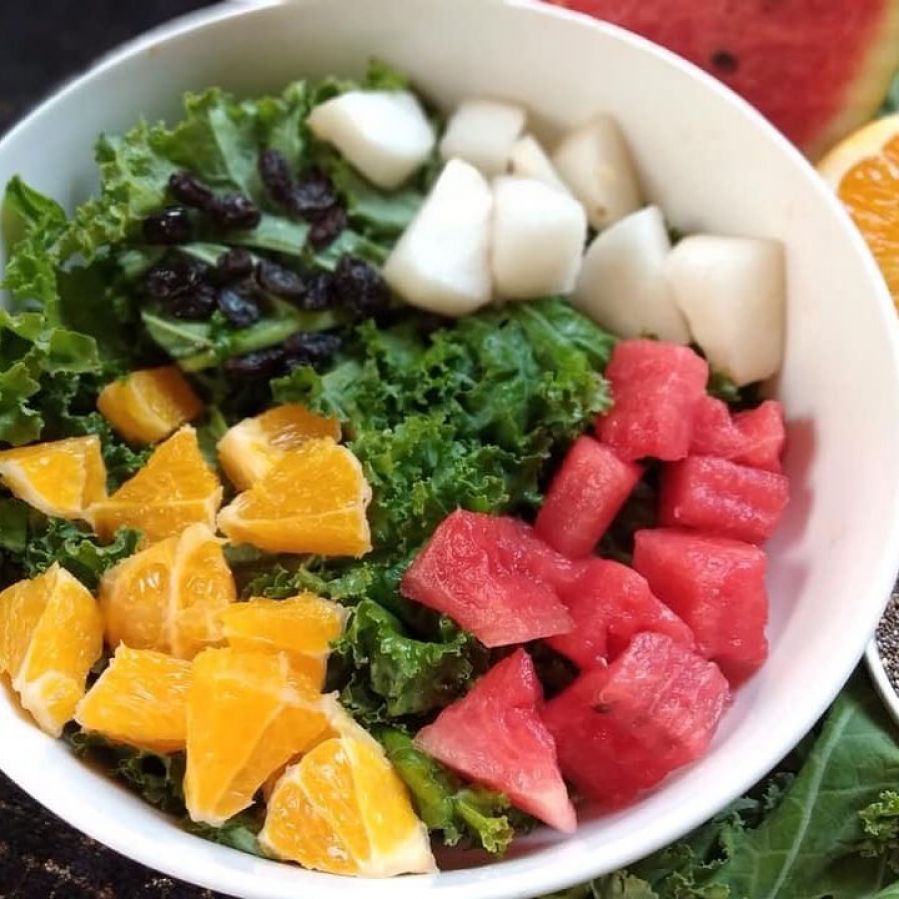
Vegetables and fruit are high in water and fiber but low in calories, helping you stay full longer. The World Health Organization (WHO) recommends that everyone eat at least 400 g of vegetables and fruit a day. Try to fill about half your plate with vegetables.
Cut Back on Sugary Drinks
Milk tea, sodas, energy drinks and heavily sweetened coffee are major sources of added sugar that many people overlook. The WHO recommends keeping free sugars below 10% of your total daily energy intake, and ideally below 5%, or about 25 g (6 teaspoons). Choose water, unsweetened tea or homemade fruit juice with no added sugar instead.
Get Enough Protein and Choose Whole Grains
Include a serving of protein at every meal, such as fish, lean meat, eggs, tofu or beans, to maintain muscle and stay full longer. Swap some of your white rice and white bread for brown rice, oats, sweet potatoes or whole-wheat bread. Limit fried foods, fast food and greasy snacks.
Stay Active Regularly
The WHO recommends that adults get 150–300 minutes of moderate-intensity activity (brisk walking, cycling, swimming, dancing) each week, along with muscle-strengthening exercises at least 2 days a week. Ab exercises help tone your muscles, but to lose belly fat you need to lose fat from your whole body.
Get Enough Sleep and Manage Stress
Lack of sleep and long-term stress alter the hormones that regulate hunger, making you more likely to crave sweet and fatty foods. Adults should sleep 7–9 hours a night and set aside some time to relax every day.
Avoid Skipping Meals and Crash Diets
Skipping meals or following overly strict diets may lead to quick weight loss in the short term, but it can leave you short on nutrients and make it easy to regain the weight. Aiming to lose about 0.5–1 kg per week is safer and easier to maintain. If you have an underlying health condition or want to lose a lot of weight, consult a doctor or dietitian.
Stick with small habits every day, and you'll not only have a slimmer waist but also feel healthier from the inside out.
Revealed: Vegetables That Provide Protein for Vegetarians
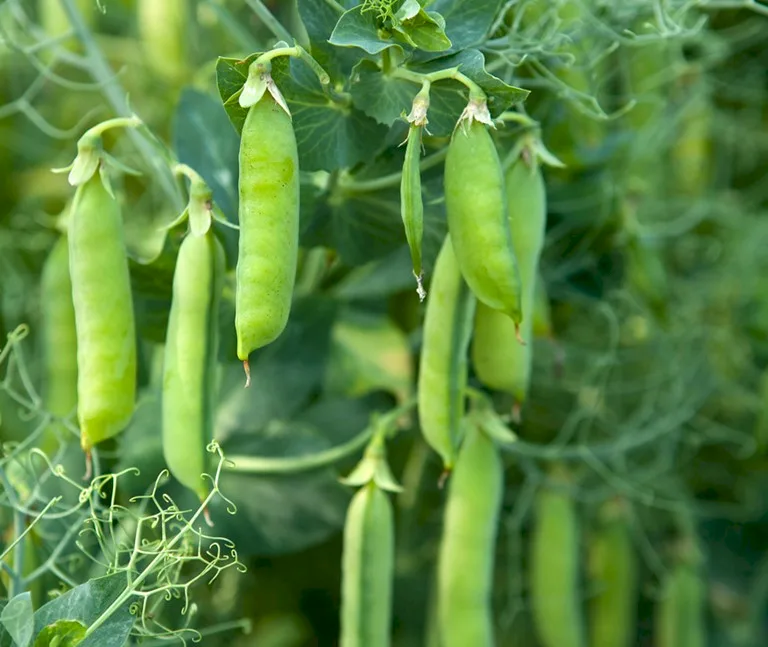
Protein plays a vital role in our bodies. Many people mistakenly think protein is only found in meat, fish and eggs, but it's also found in vegetables. So if you're vegetarian, take a look at these protein-providing vegetables.
10+ Reasons to Decide to Go Vegetarian Right Now

Vegetarian eating is today's big food trend. What are the benefits of a vegetarian diet? Why do people love eating vegetarian? This article, 10+ reasons to decide to go vegetarian right now, will help you understand. Read on.
Is a Vegetarian Diet Suitable for People Who Do Bodybuilding?
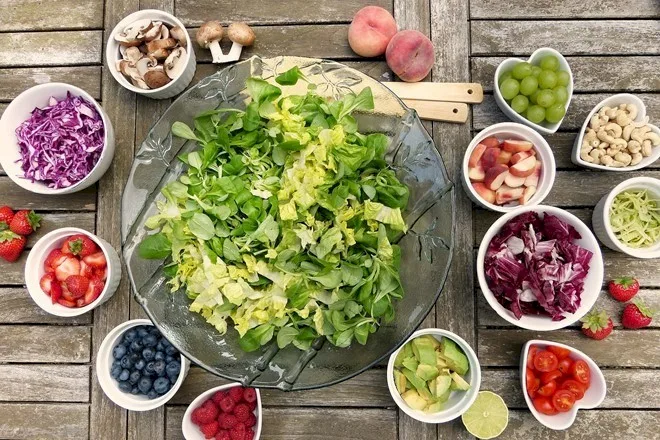
Many people mistakenly believe that bodybuilding (going to the gym) requires a diet with red meat to build muscle, while vegetarian dishes, being mostly vegetables, can't provide enough nutrients for training. Is that really true?
Why Many People Fail When Trying to Go Vegetarian
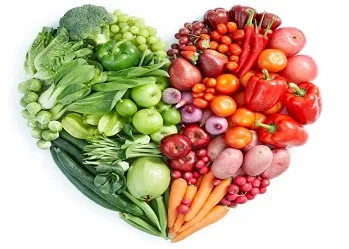
Vegetarianism is a very popular idea these days, and many people assume eating vegetarian is perfectly easy. Yet many who adopt the diet find they don't have enough energy for work and daily life.
A Handbook for Making Vegetarian Cooking More Appealing
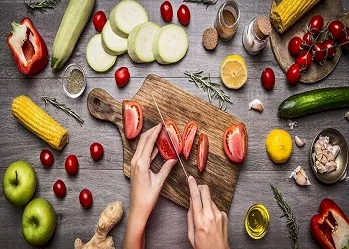
More and more people are choosing a vegetarian diet for everyday eating, but most struggle with how to cook and how to make sure their dishes provide enough nutrition.
Save These Tips to Make Vegetarian Meals More Interesting

Vegetarian eating is gradually becoming a new trend. People who normally eat meat often face quite a few difficulties when cooking and enjoying vegetarian dishes.
Why Can't You Lose Weight Even Though You Eat Vegetarian Regularly?

The fact is that many people can't lose weight despite eating vegetarian regularly; some even put on a lot of weight. So what's behind it?
Natural Toxins in Some Plant Foods That Aren't Prepared Properly
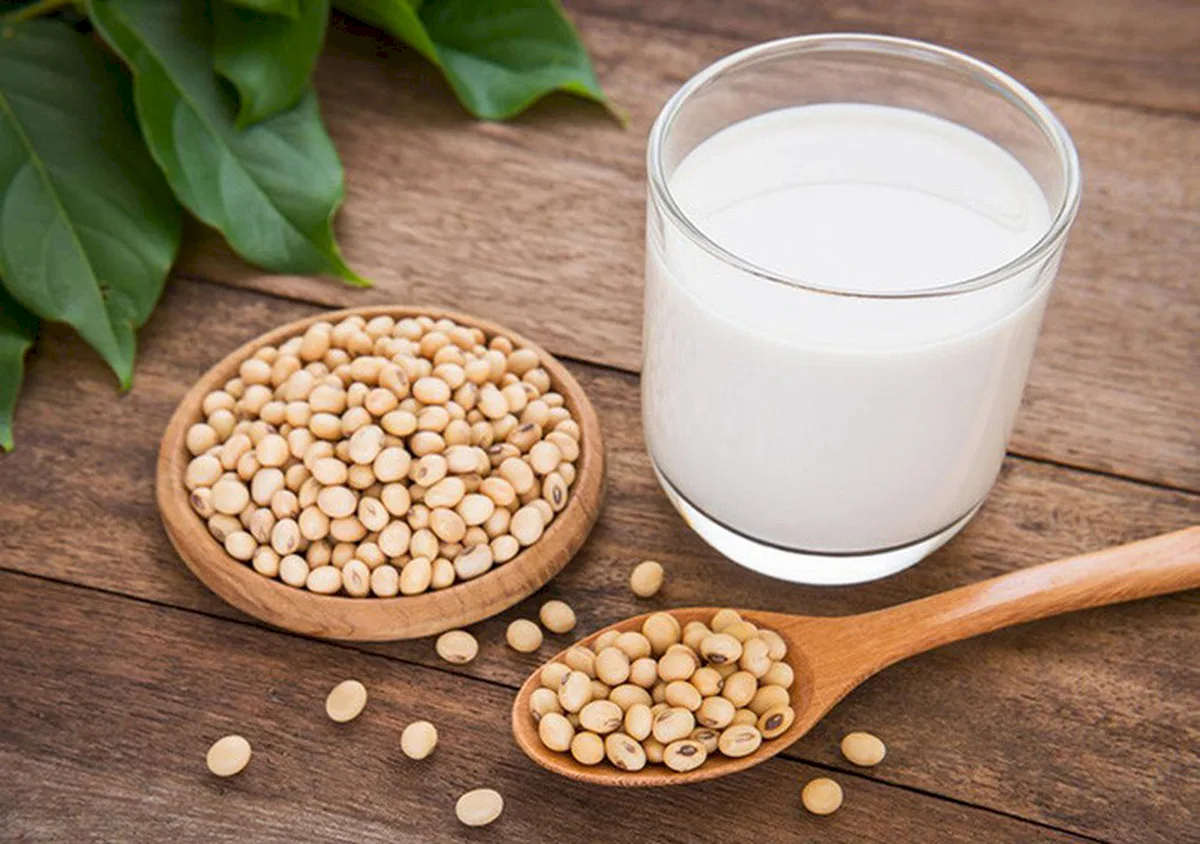
Many vegetables contain toxins that can be dangerous when eaten raw or undercooked. To best protect your family's health and your own, limit raw and undercooked foods.
Da Lat and Its Flower Seasons