
 Tiếng Việt
 日本語
日本語
 简体中文
简体中文
 繁體中文
繁體中文
What's Special About New Year Customs in Asian Countries?
Vietnam's New Year customs are best known through Tet Nguyen Dan, while Laos celebrates Bunpimay and Singaporeans give each other tangerines.
Besides Vietnam, several other Asian countries celebrate the Lunar New Year, including China, Korea and Mongolia. Each country has its own culture of welcoming the new year, but they all share one thing: it is an important holiday when family members gather and reunite to welcome the new year together.
How Vietnam welcomes the new year
The Lunar New Year in Vietnam is usually called Tet Nguyen Dan, or simply the Great Tet. It is one of the most important holidays, and because Vietnamese people traditionally reckon time by the cycles of the moon, they welcome the new year on the 1st day of the 1st lunar month, which comes after the Western New Year on January 1.

The Vietnamese lunar calendar also differs slightly from the Chinese one, so Tet doesn't always coincide with the Spring Festival in China. Vietnamese people usually start preparing for Tet from around the 23rd of the 12th lunar month until the 29th.
During this time, they make offerings to the Kitchen Gods on the 23rd of the 12th month, wrap banh chung (the traditional Vietnamese rice cake), buy peach blossoms and apricot blossoms, arrange five-fruit trays, visit ancestors' graves and hold the year-end offering. Family members do these tasks together, reflecting the unity and love of the Vietnamese people.
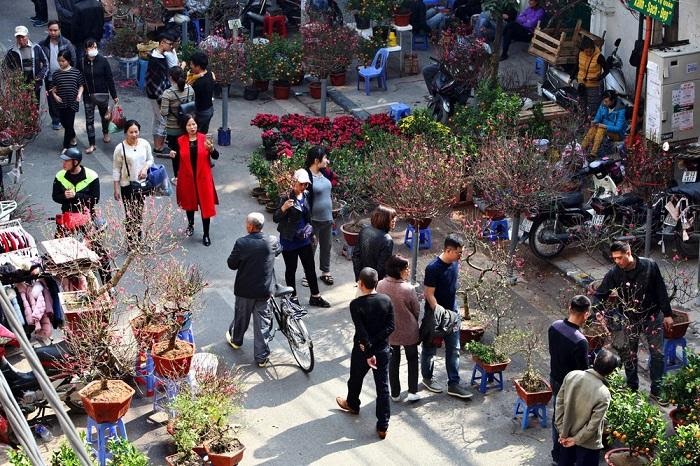
On New Year's Eve, the whole family gathers to welcome the new year and watch the fireworks. Vietnamese people see this moment as the turning point from the old year to the new, a time to look back on the past year and strive for a better one. When Tet begins, people flock to pagodas to pick spring buds for luck, visit relatives as the first guest of the year (xong dat), exchange New Year wishes and give lucky money, customs that show the beauty of Vietnamese Tet, both unique and meaningful.
New Year customs in China
The Lunar New Year in China is celebrated much as it is in Vietnam. It is the most important holiday of the year: from around the 8th day of the 12th lunar month, people all over China head back to their hometowns to celebrate with their families. It's also a time for family members to cook delicious dishes together as offerings to their ancestors and to enjoy many festivals.
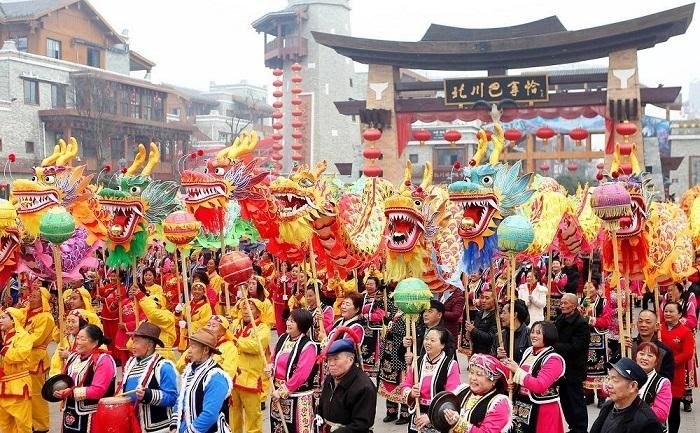
At New Year, Chinese custom calls for red couplets, red paper lanterns and fireworks at home, in the hope of a joyful Tet and good luck in the new year. So if you travel to China at New Year, you'll see the streets filled with festive red, a cheerful and exciting experience.
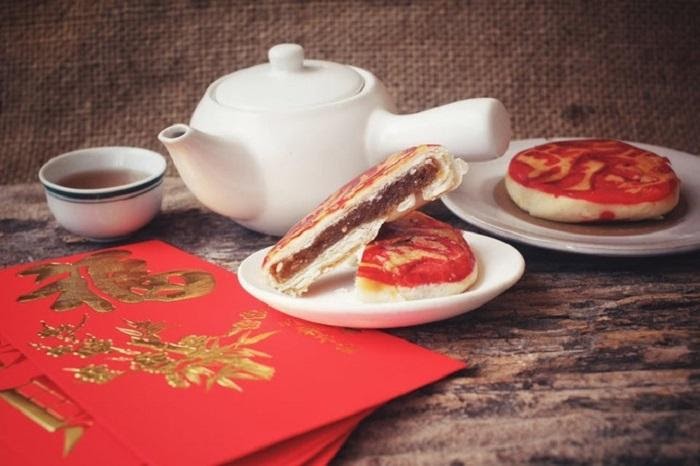
Each year in China is represented by an animal, so at the start of that year people often avoid eating that animal's meat to bring luck to the family. New Year menus in China also always include nian gao (New Year cake), made from good glutinous rice with a little fresh ginger and sugar. The Chinese New Year lasts until the 15th day of the 1st lunar month, after which people go back to work.
New Year customs in Korea
The traditional New Year in Korea usually falls in late January or early February. According to local custom, families clean their homes on the last day of the year. On the evening before New Year's Eve, they bathe in hot water to wash away the bad luck of the old year before welcoming the new.
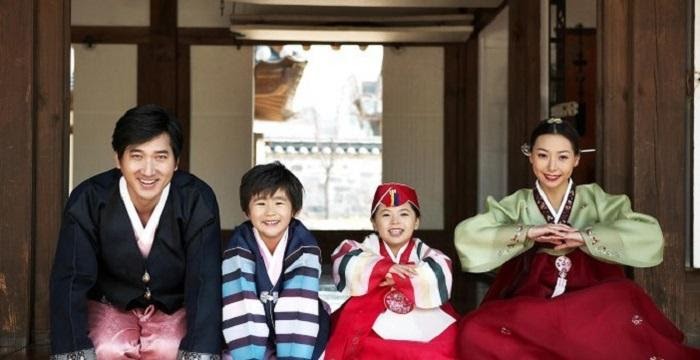
On New Year's Eve, Koreans traditionally burn bamboo sticks at home to drive away evil spirits; legend has it that the crackling of burning bamboo frightens ghosts away. New Year's Eve is so important that nobody sleeps, because an old legend says that if you sleep that night, your eyebrows will turn white the next morning and your mind will be dull.
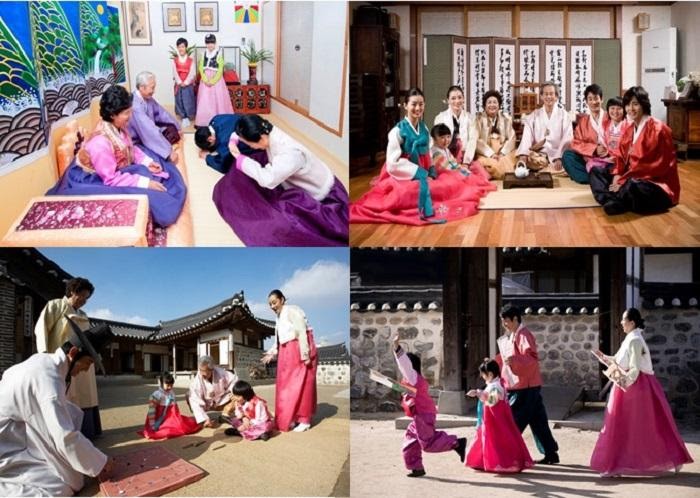
When New Year's Day begins, everyone puts on a hanbok or their best clothes, and the whole family performs the ancestral rites. After that, the younger members bow to their elders to thank them for raising and teaching them.
As in Vietnam, Korean children receive a lot of attention at New Year. After bowing to their elders and offering New Year wishes, they are rewarded with money, gold, silver or precious stones, in the hope that they will grow up to be successful and useful members of society.
New Year customs in Singapore
Over 80% of Singapore's population is Chinese, so the Lunar New Year customs there are basically similar to China's. It is also the biggest and most eagerly awaited holiday of the year.
People here prepare for New Year a few weeks in advance, buying new clothes and decorating their homes. The most important part of welcoming the new year is reuniting for the New Year's Eve dinner. Whether eaten at home or at a restaurant, fish is a must at this meal, because locals believe eating fish at the start of the year brings luck.

During New Year, married people give lucky money to their grandparents, parents and the children in the family. Besides red envelopes, they also exchange ripe tangerines, which symbolize good luck. All New Year gifts must also come in pairs, because Singaporeans believe odd numbers bring bad luck while pairs bring good fortune.
The Lunar New Year in Singapore usually lasts 15 days, but the 1st and 2nd days are the most important. It's a time for families to visit friends and relatives and enjoy festive activities.
New Year customs in Laos
The Lao New Year is usually called the Bunpimay festival (also known as the "wrist-tying" festival, or the "Hot Nam" water-splashing festival, praying for water to bring life, growth and prosperity). At this time, people pay special attention to larb dishes, especially those in business. In Lao, larb means fortune, luck, or the spirit of the Lao people at New Year. During New Year, Lao people give each other larb in the hope of greater prosperity in the year ahead.
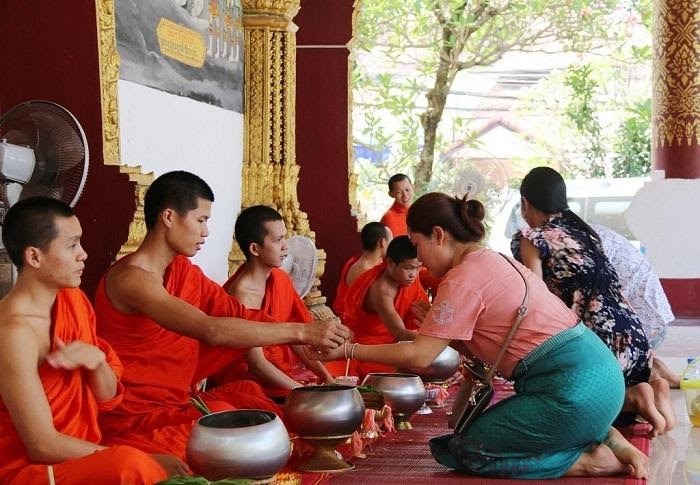
Larb is usually made from fresh beef or chicken mixed with seasonings. It must be combined with toasted rice powder to give it its unique flavor. The larb must also be truly delicious and carefully prepared; otherwise people believe their business won't prosper in the new year.
During New Year, Lao people also have a custom of giving scarves and fabric to the elderly. By day they go to the pagoda to pray for a peaceful new year, and in the evening they gather at the pagoda to have fun and watch traditional music performances.
Notably, Lao people use flowers at New Year to bring luck, mainly two kinds: cassia flowers and champa (frangipani). Cassia flowers decorate homes and vehicles for good luck, while champa flowers are tied into clusters and worn in the hair to pray for blessings.
New Year customs differ from one Asian country to another, yet they all share the same atmosphere, spirit and meaning. It is a time for those far from home to return to their families and share a meaningful meal to welcome the new year.
Hà.R (Compiled)
What Is Black Termite Mushroom? Its Surprising Benefits and Value
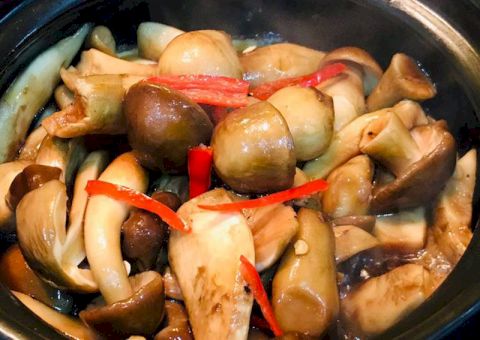
With its naturally sweet, delicate flavour, black termite mushroom is a delicious edible mushroom packed with nutrients. It helps prevent and treat illness, is good for the blood, heart and blood pressure, and is ideal for weight-loss diets.
Ministry of Health Issues Urgent Warning: Pate Minh Chay Contains a Highly Potent Toxin
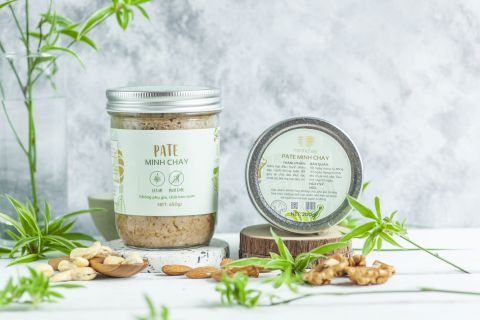
TTO - The Ministry of Health has issued a warning that Pate Minh Chay products contain a highly potent toxin. Between 13 July and 18 August, 9 patients suffered muscle paralysis, muscle weakness, drooping eyelids and weak limbs after eating this product.
Should Pregnant Women Eat Vegetarian? The Pros and Cons
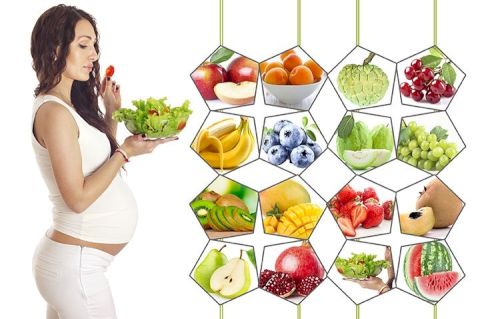
Vegetarian eating is often part of certain religious practices or chosen by people building a lighter diet for themselves.
How to Eat Vegetarian the Right Way: What Not Everyone Knows
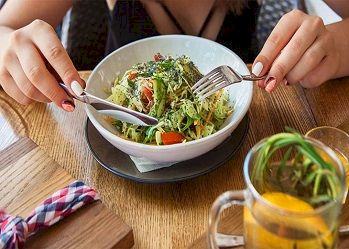
Many people think eating vegetarian simply means eating vegetables and foods without meat or fat. That's only part of it; not everyone knows how to eat vegetarian the right way so the body stays healthy.
Why Is a Vegetarian Diet Good for Your Health?
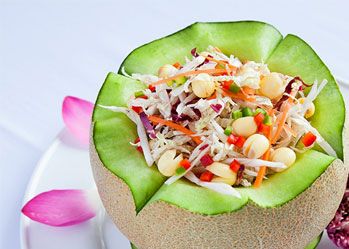
Almost everyone says "eating vegetarian is hard", but few realise that everything has its price, and that this hardship trains us to become far healthier and more balanced than we could imagine.
5 Benefits of a Vegetarian Diet for Body and Mind
Eating vegetarian isn't just a religious practice on the full moon and the first day of each lunar month; it also brings many benefits for everyone's physical and mental health.
Sự khác biệt rất lớn giữa phong tục Tết xưa - Tết nay
Từ việc chuẩn bị Tết, đón Tết, ăn Tết,… giữa phong tục Tết xưa – Tết nay đang có sự thay đổi rất lớn khi cuộc sống con người ngày càng hiện đại.
5 Fun Experiences Only Found in the Sunny, Windswept Central Highlands
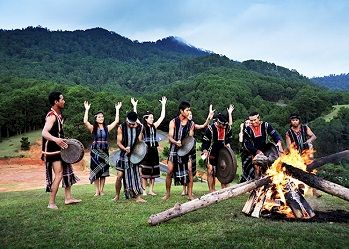
The Central Highlands are known not only for endless coffee-covered hills, red basalt soil and unique Rong houses, but also for the many fun experiences they offer every visitor.
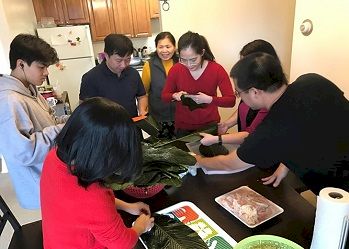
Vietnamese Tet in America: Easing Homesickness for the Flavors of Home