
 Tiếng Việt
 日本語
 简体中文
 繁體中文
How to Tell Naturally Ripened Fruit from Chemically Ripened Fruit
A sharp eye is all it takes to pick out fruit that is safe for your family.
1. Avocado
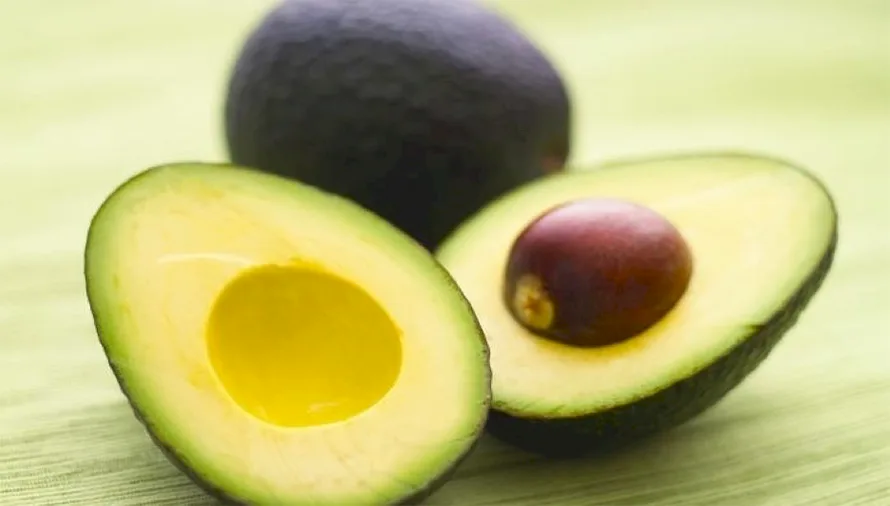
Bought an avocado that was soft but still bitter? That's because it didn't ripen naturally – it was forced. Many people assume a ripe avocado is one with deep green skin, so how do you pick the best ripe one? Look at the stem end: if the stem scar is large, the fruit was force-ripened (picked while still immature).
Steer clear of avocados that feel mushy the moment you touch them, because they have been knocked about in transit; and even if they haven't, they will have lost the rich, buttery flavor a good avocado should have. When buying, squeeze gently: if it gives slightly but the skin is still firm, the fruit is good. Next, press on the stem – if it yields slightly, take that one. Finally, choose fruit with taut, glossy yet slightly bumpy skin that feels firm and solid in your hand.
2. Papaya
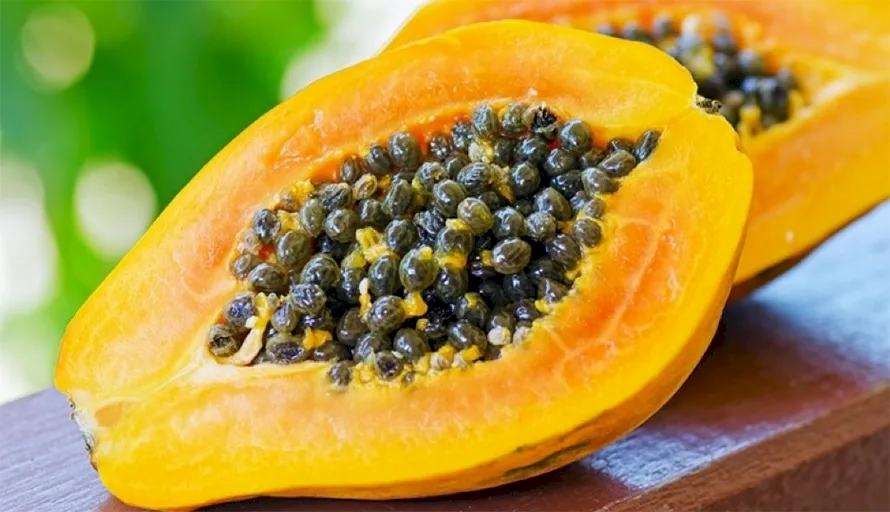
A good, ripe papaya should feel heavy for its size and slightly soft, with the stem still attached and a little sap sticking to it. These are tree-ripened fruits – sweet and fragrant, with thick, tender flesh.
Chemically ripened papayas have a glossy, bright yellow exterior with noticeably smooth skin, and when you press them gently they don't give the way tree-ripened fruit does.
3. Rambutan
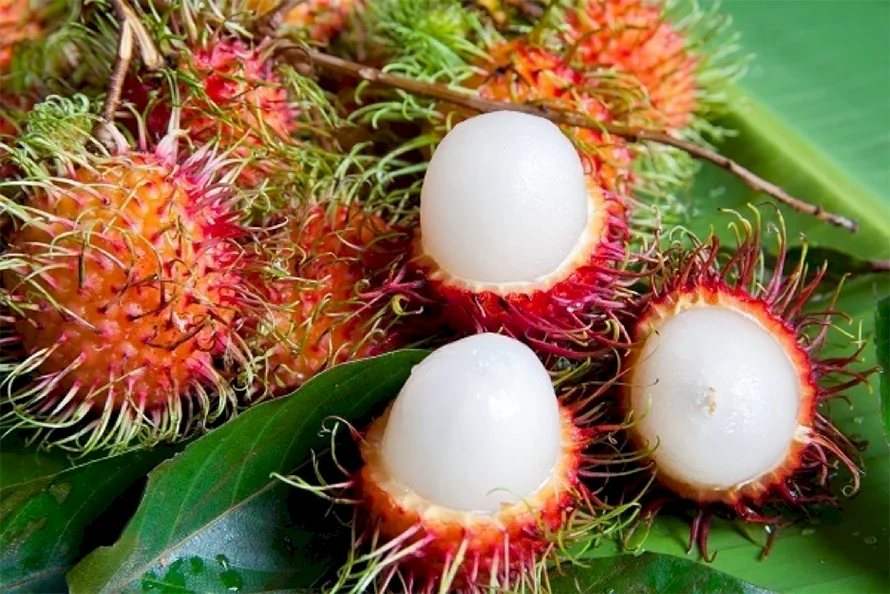
For rambutan, a familiar fruit in the Mekong Delta, choose fruit whose hairs are fresh and green; these will still be good about 3 days later. Fruit ripened with chemicals starts to wilt just a few hours after treatment and loses much of its flavor.
4. Mangosteen
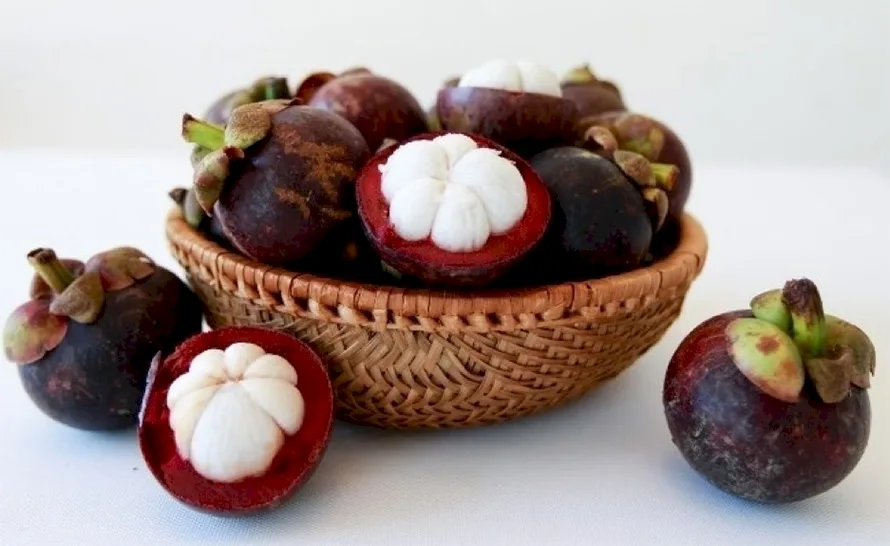
A very fresh stem and color that ripens in patches from the top to the bottom of the fruit are signs of a sweet, juicy mangosteen. Force-ripened fruit has a blackened stem and tastes very sour, rather than the sweet-sour flavor of tree-ripened fruit.
5. Bananas
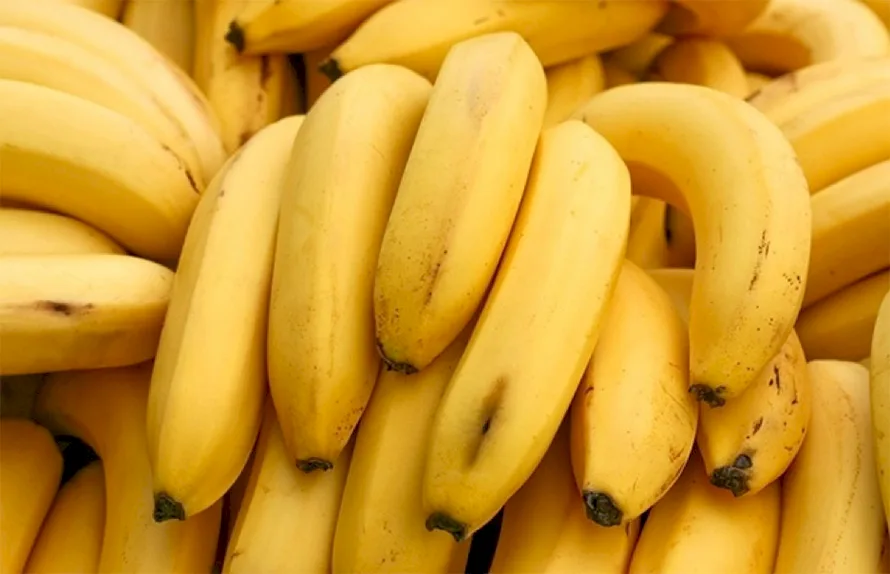
Bananas are a favorite with many Vietnamese people: highly nutritious, cheap and available all year round.
To spot force-ripened bananas, look at the body and the stem. The body will be an even, glossy yellow, but the stem is still green with sap clinging to the tip. Once peeled, the flesh is hard and starchy, like undercooked rice.
Tree-ripened bananas don't show these signs.
6. Jackfruit
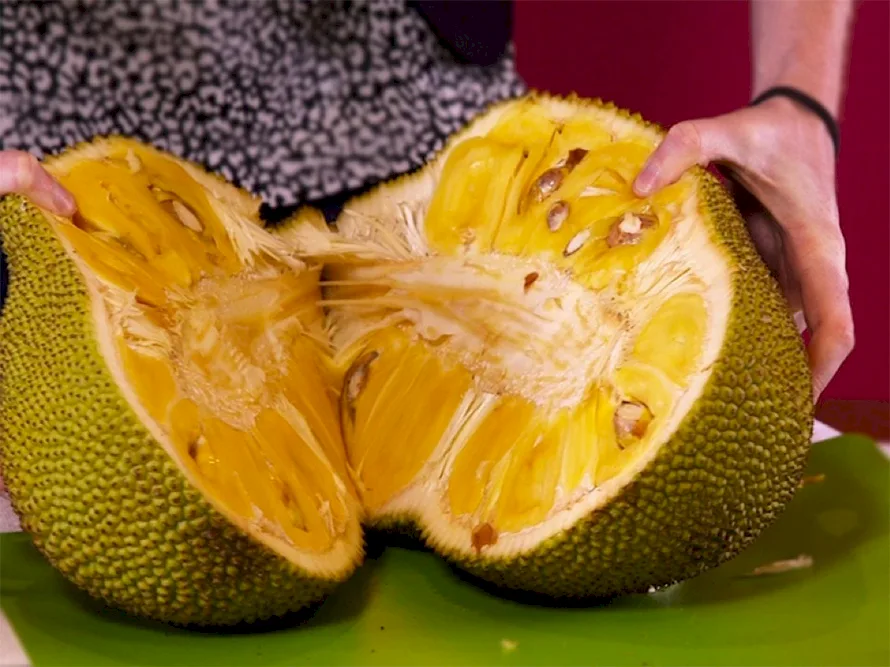
Jackfruit tops the list of fruits most commonly treated with chemicals in Vietnam, but if you remember a few tips, picking a jackfruit that is both delicious and safe is easy.
Avoid fruit that is still immature on the outside – sharp, dense spines and a bright green skin – yet has yellow, ripe pods inside; these have been heavily ripened with chemicals. Also check the stem (usually the part that gets injected the most): on treated fruit it will be soft or showing signs of rot.
Naturally ripened jackfruit doesn't look as pretty as force-ripened fruit; its spines are large, its skin turns from green to pale yellow, and it ripens evenly from the stem to the tip.
7. Oranges
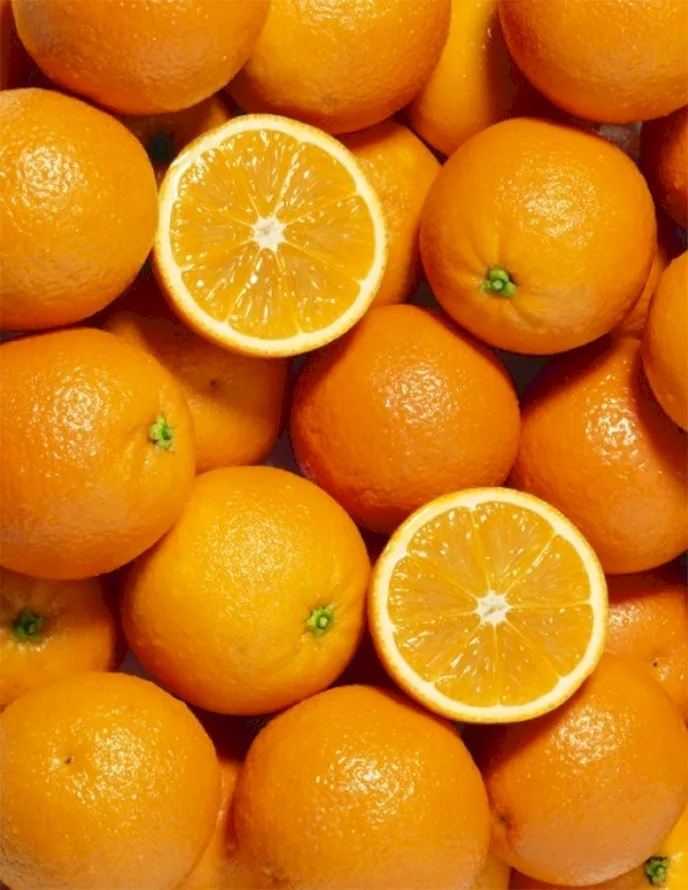
Scientists recommend eating oranges every day for their high nutritional value. On average, every 100g of orange contains 1,104 micrograms of carotene – an antioxidant vitamin for the skin – plus 30mg of vitamin C and 87.6g of water, which help boost the body's resistance.
To keep oranges looking fresh for longer and fetch a higher price, many traders treat them with chemicals so they stay fresh long after picking. Choose oranges that are an even color from top to bottom – these are tree-ripened and untreated.
8. Mangoes
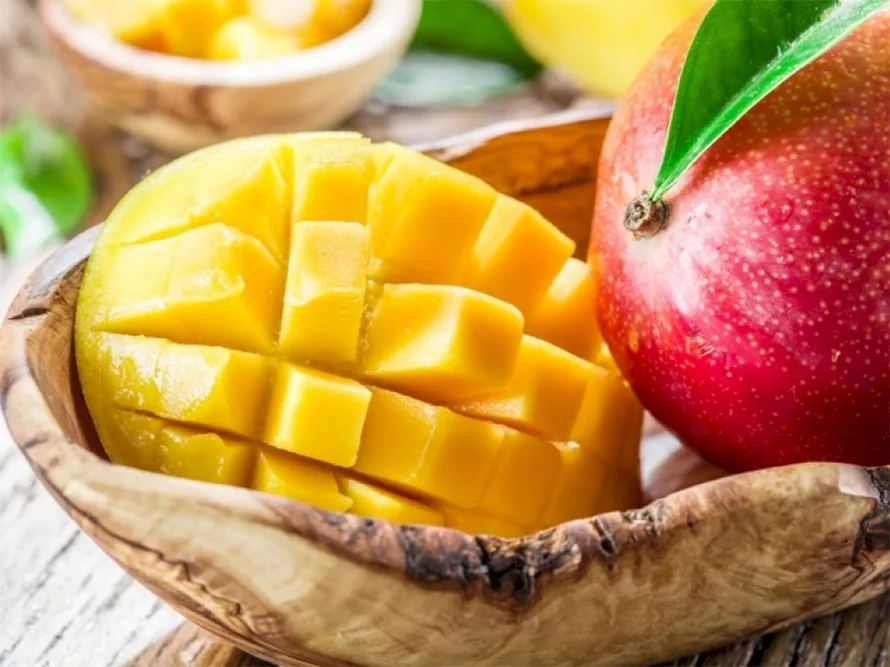
Mangoes whose skin is green or pale greenish-yellow but whose flesh is ripe and yellow inside, with a bland taste and no real mango flavor, have usually been soaked in plenty of preservatives.
Fruit soaked in chemicals to ripen it early is not only less tasty but also harmful to your health.
We hope these tricks for spotting force-ripened, chemically treated fruit with the naked eye will give you more confidence when choosing clean, safe fruit for your family.
Revealed: Vegetables That Provide Protein for Vegetarians
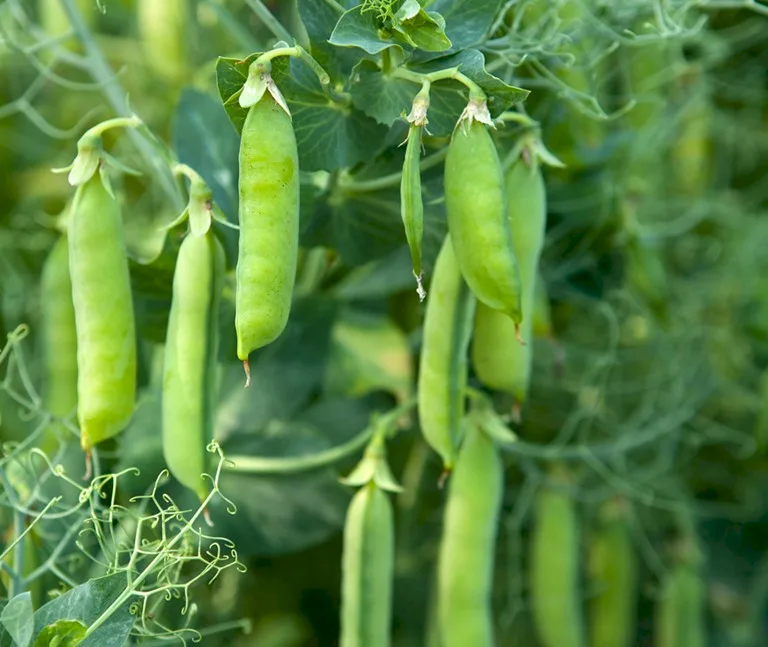
Protein plays a vital role in our bodies. Many people mistakenly think protein is only found in meat, fish and eggs, but it's also found in vegetables. So if you're vegetarian, take a look at these protein-providing vegetables.
10+ Reasons to Decide to Go Vegetarian Right Now

Vegetarian eating is today's big food trend. What are the benefits of a vegetarian diet? Why do people love eating vegetarian? This article, 10+ reasons to decide to go vegetarian right now, will help you understand. Read on.
Is a Vegetarian Diet Suitable for People Who Do Bodybuilding?
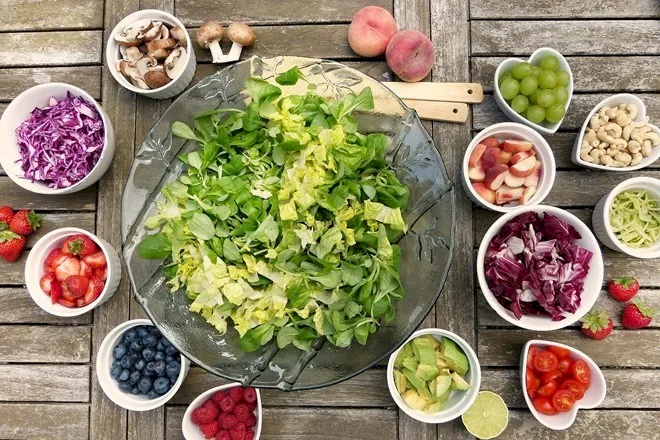
Many people mistakenly believe that bodybuilding (going to the gym) requires a diet with red meat to build muscle, while vegetarian dishes, being mostly vegetables, can't provide enough nutrients for training. Is that really true?
Why Many People Fail When Trying to Go Vegetarian
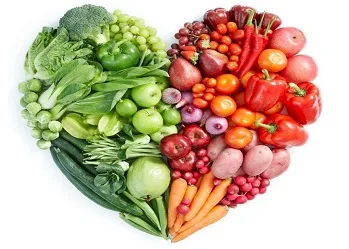
Vegetarianism is a very popular idea these days, and many people assume eating vegetarian is perfectly easy. Yet many who adopt the diet find they don't have enough energy for work and daily life.
A Handbook for Making Vegetarian Cooking More Appealing
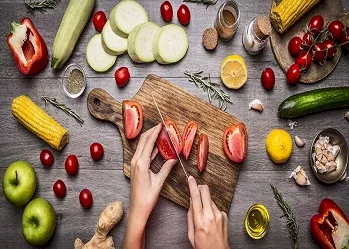
More and more people are choosing a vegetarian diet for everyday eating, but most struggle with how to cook and how to make sure their dishes provide enough nutrition.
Save These Tips to Make Vegetarian Meals More Interesting
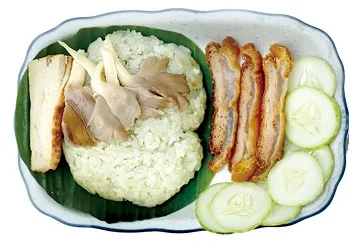
Vegetarian eating is gradually becoming a new trend. People who normally eat meat often face quite a few difficulties when cooking and enjoying vegetarian dishes.
Why Can't You Lose Weight Even Though You Eat Vegetarian Regularly?

The fact is that many people can't lose weight despite eating vegetarian regularly; some even put on a lot of weight. So what's behind it?
Natural Toxins in Some Plant Foods That Aren't Prepared Properly
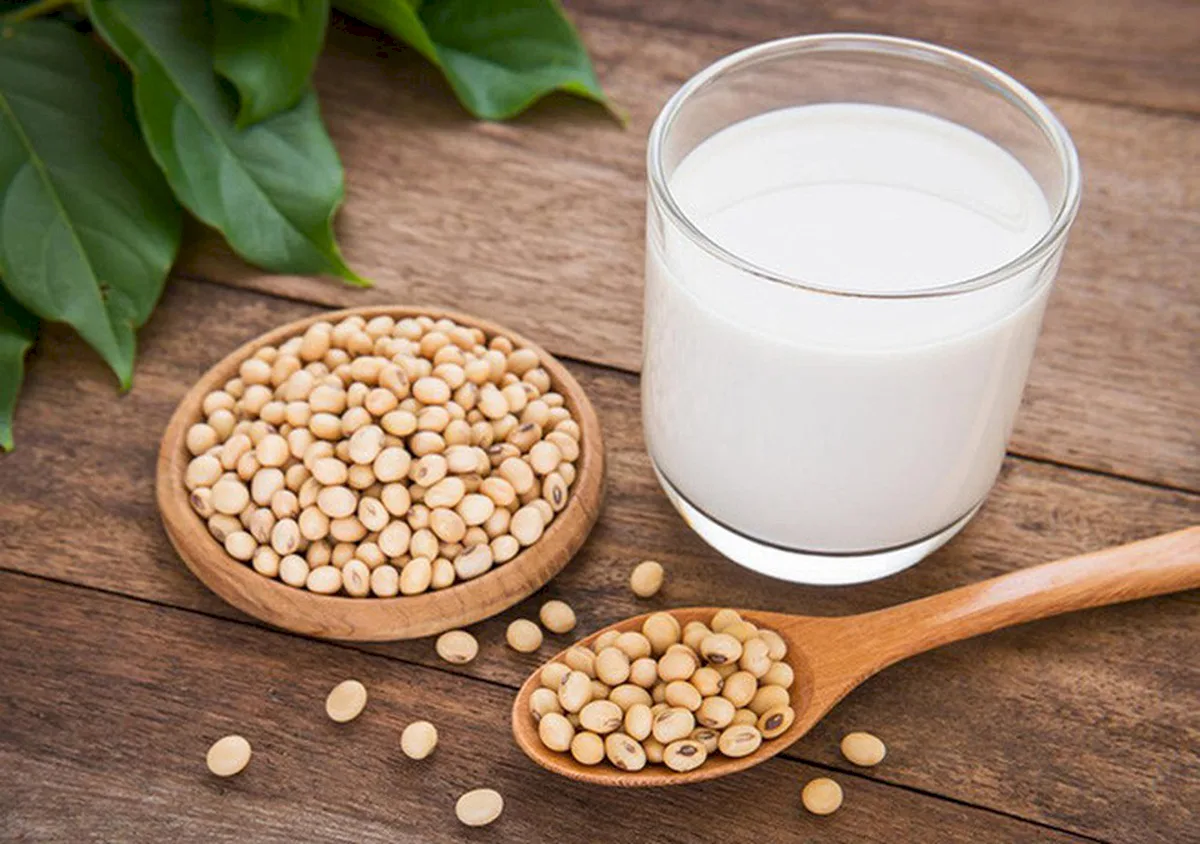
Many vegetables contain toxins that can be dangerous when eaten raw or undercooked. To best protect your family's health and your own, limit raw and undercooked foods.
Da Lat and Its Flower Seasons